Author: Kevin Orrman-Rossiter
-
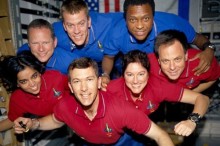
The perils of space exploration: last flight of space shuttle Columbia
The 28th and last flight (STS-107) of the space shuttle Columbia was ten years ago. Launched on January 16, 2003 Columbia was destroyed at about 0900 EST on February 1, 2003 while re-entering the atmosphere after its 16-day scientific mission. The destruction of the shuttle killed all seven astronauts on board. An illustrious career Columbia…
-
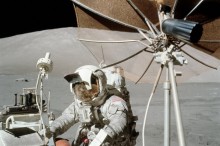
Apollo 17: last men on the moon
After kangaroo hopping back to the lunar rover, Eugene and Jack drove back to the lunar module, Challenger. There they dusted each other off and loaded the last of their 100kg of lunar rock samples. Jack cleaned up inside While Eugene parked the rover a kilometre and a half away so the takeoff could be…
-

Is India a nation of geeks?
Angela Saini, in her book Geek Nation: how Indian science is taking over the world, wants to convince us that Indian science is taking over the world. Now any well read student of the physical and mathematical sciences will be able to provide you with notable scientific contributions. Even the Indian constitution abjures: “It shall…
-
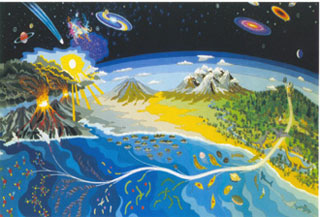
Does my science look big in this? The astrobiology edition
During the 20th century a powerful new idea gradually entered our consciousness and culture: cosmic evolution. We are all par of a huge narrative: a cosmos billions of years old and billions of light years in extent. It is this idea that caught my attention this month via the proceedings of the Sao Paulo Advanced…
-
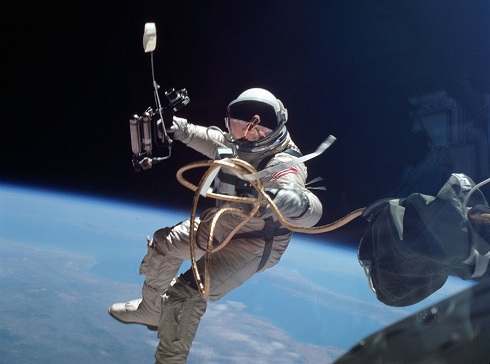
The astronauts who put the USA on the moon
The Soviet Union launched Sputnik 1 into an elliptical low Earth orbit on October 4, 1957. This surprise precipitated the space age and triggered the space race. The success ushered in new technological, political, military, and scientific developments. On April 12, 1961, Yuri Gagarin became the first person in history to leave the Earth’s atmosphere…
-
Pioneer anomaly explained?
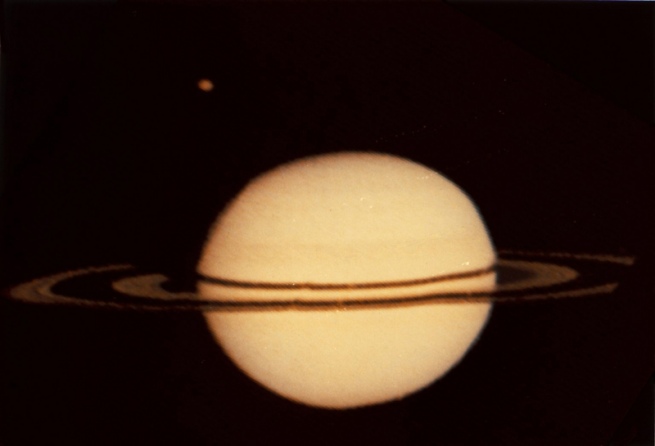
Pioneer 10 and 11 unveiled the solar system during the golden-age of robotic exploration. Their missions were a success; Pioneer 10 threading the asteroid belt to provide our first close view of Jupiter and its moons, Pioneer 11 catapulting past Jupiter and foraying through the plane of Saturn’s rings. The Pioneers, true to their name,…
-
Does my Science look big in this? October edition
Science this month tackled many of the big questions: Where did life on Earth originate? How do we learn? How can we live healthy lives? and, What is it with scientists and sticky-tape? Lithopanspermia is the idea that basic life forms are distributed throughout the universe via meteorite-like planetary fragments. Eventually, another planetary system’s gravity…
-
Does my Science look big in this? August 2012 in review
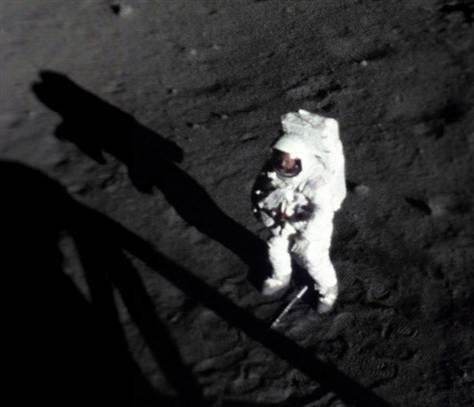
August was a momentous month for science and technology. In my top five events are: NASA landed a car-sized rover on Mars; the first man to walk on the Moon, Neil Armstrong dies; Harvard scientist create a cyborg tissue; Swedish researchers detail how Parkinson’s disease spreads through the brain; and Voyager 2 turns 35. Without…
-
The (nuclear) alchemists of Darmstadt and the doubly magic tin-100 nucleus
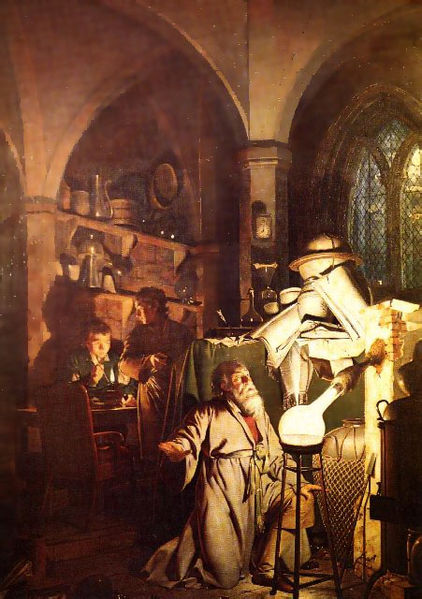
An international group of researchers announced in the journal Nature that they had succeeded in creating tin-100. This experiment helps us understand how heavy elements have formed. A few minutes after the Big Bang the universe contained no other elements than the lightest; hydrogen and helium. We, the objects around us, the Earth and the…
-
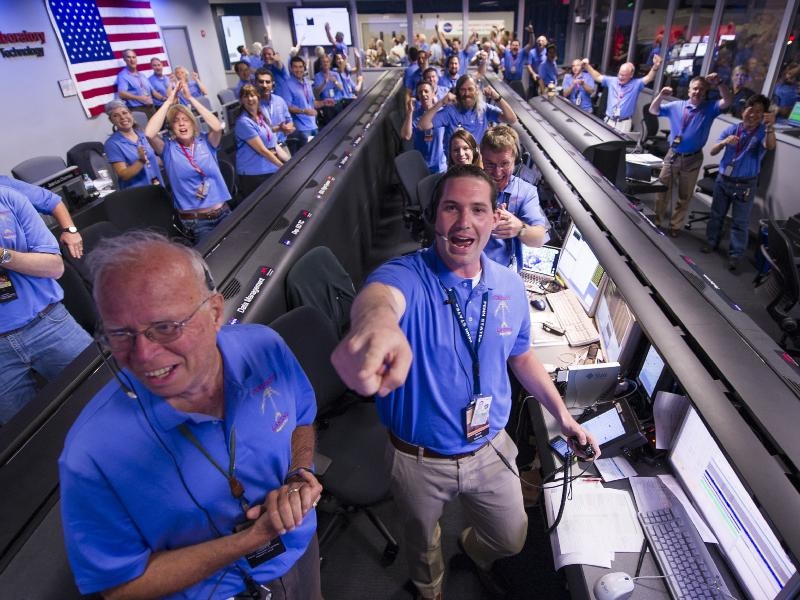
It’s a wheel! It’s a wheel – a wheel on Mars!
NASA’s rover Curiosity was safely on Mars. It was a perfect landing. The novel sky-crane method had proved its detractors wrong and its designers right. What was needed then was signs that Curiosity was working as designed. NASA had said that the first pictures may be anything up to 2 hours after landing. A long…
-
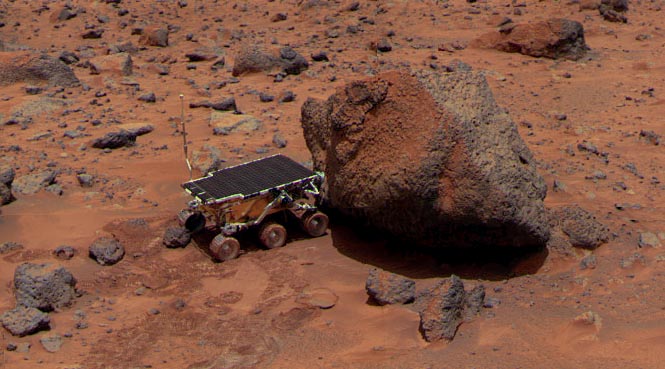
Is there life on Mars? Sojourner, Spirit, Opportunity and Curiosity go roving
The NASA rover Curiosity is expected to be landing on Mars at 3:31 am August 6, 2012 (AEST). It’s mission, lasting one Martian-year (98 Earth weeks), is of scientific significance and perhaps even of human significance. Curiosity will be fulfilling the prospecting stage of a step-by-step program of exploration, reconnaissance, prospecting and mining evidence for…
-
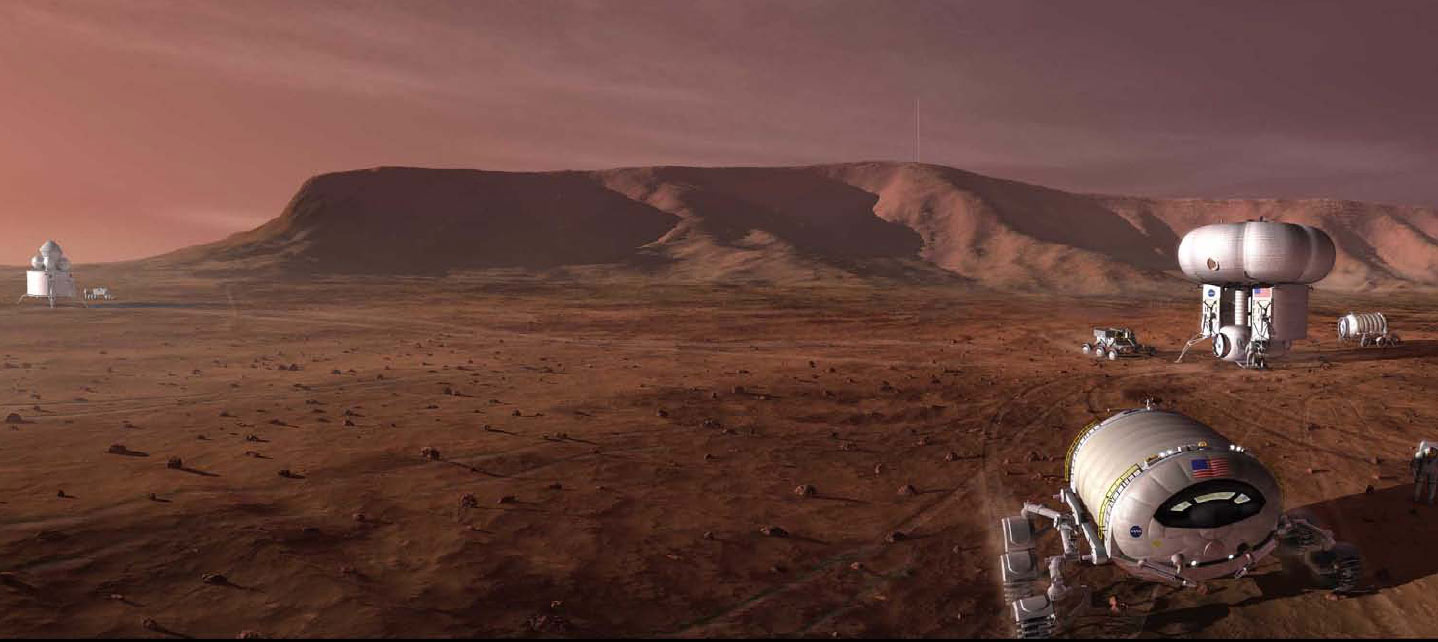
In the year 2023, and humans are on Mars for all to see
Do you wish to become a Martizen, a citizen of Mars, anytime in the near future? If you are serious about this then Dutchman, Bas Lansdorp is your man. Bas Lansdorp is a person with an audacious ambition. Through his company, Mars One, he plans to establish the first human settlement on Mars by April…
-
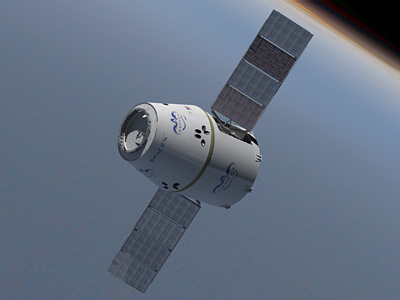
Here be Dragons
On May 11, a Dragon will mate with the International Space station. Rather than some mythical creature, this Dragon is of human artifice. The Dragon’s rendezvous and berthing with the International Space Station presages a new chapter in human exploration of space. The significance of this event is Dragon is a reusable spacecraft, developed, and…
-
These rocks just got a little bit older
Have you ever had a moment when person responds to you in a way that just makes you feel a little bit older than you did before? You comment, for example, about a music group to someone, only to be met with that incredulous stare that conveys the message to you that their parents liked…