Tag: Environment
-

Paper Consumption Impact in Australia
Everyone must play their part in creating sustainable futures for the world’s commodities. Paper is a huge commodity and is consumed at exorbitant rates as outlined by Forest Ethics‘ recent research. They reported that across the world North America used on average 229kg of paper per capita annually, Western Europe got through 178.7 kilograms, Latin…
-

The Highlights of 2013
This year our writers churned out a host of fantastic articles, including a series of posts dedicated to women in space, written by Sharon Harnett. One of the most notable of the series was all about Valentina Tereshkova, the first woman astronaut. This year was the 50th anniversary of her historic spaceflight. We also had…
-
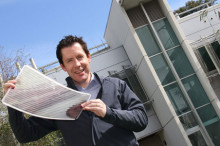
Printed solar cells as easy to produce as t-shirts!
Australia is really taking the initiative in alternative energy production. The latest news is that a consortium of Australian researchers have succeeded in producing printable solar cells, in a process which might just have the potential to revolutionise solar power production across the continent. Perhaps, we can only hope, the world. Succinctly, a new printer…
-

What do Mars and Australia have in common?
If you’re expecting a punchline to that title, then guess again. It’s no joke. Surprisingly, Australia shares some remarkably similar geology to our neighbouring planet. Specifically the Red Centre, the arid heart of Australia, is the most Mars-like place on Earth! It’s possible that people may have mused on the similarities already. After all, with…
-

Wind power: renewable energy for the cities of the future
Renewable energy? I’m a big fan! Unfortunately, so are modern wind turbines, which are the subject of intense arguments and criticism despite their many benefits. However, this view might be changed somewhat, by a new innovation by Farzad Safaei at the University of Wollongong (UOW) – a new type of wind turbine known as PowerWINDows. I’m…
-

Weekly Science Picks
Greetings one and all, and a very happy science Sunday to you! This week’s generally been quite interesting. We’ve had good news, bad news, a little heated discussion… All the kind of things which keep the science community vibrant and interesting. As for specifically what that news was, well. Please do read on… First…
-

How to green the desert and reverse climate change
“Desertification is a fancy word for land that is turning to desert,” begins Allan Savory in this quietly powerful talk. And it’s happening to about two-thirds of the world’s grasslands, accelerating climate change and causing traditional grazing societies to descend into social chaos. Savory has devoted his life to stopping it. He now believes —…
-
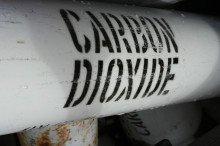
The Carbon Footprint of Australian Migrations
Measuring the impact of Australian migration on the Australian carbon footprint is a difficult task because of the complexity of the factors involved. However, a direct cause and effect relationship between the two exists, and it is related partially to population growth due to overseas migration, as well as to rural-urban migrations. Both of which…
-

Weekly Science Picks
Women. This is the theme of this edition of Weekly Science Picks. Yesterday, in case you missed it, was International Women’s Day. And it is important to note the achievements of women in careers such as teaching, neuroscience and engineering because women are still in a tightly contested race with the male counterpart. But who…
-

Greenland ice core records provide a vision of the future
Ice cores drilled in the Greenland ice sheet, recounting the history of the last great warming period more than 120,00 years ago, are giving scientists their clearest insight to a world that was warmer than today. In a paper published on January 24th 2013, in the journal Nature, scientists have used a 2,540 metre long Greenland ice…
-
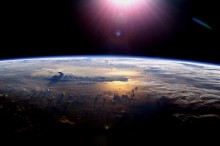
The Highlights of 2012
As 2012 draws to a close and the new year begins, now is a good time to wrap things up and recapitulate the year just passed. It’s been an exciting year with plenty of interesting happenings in science, technology, and education. Despite the fact that we aren’t especially keen on top 10 lists (because all…
-
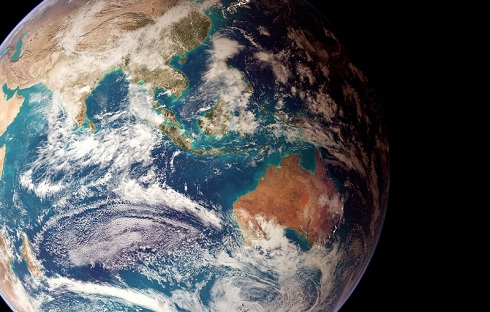
Breaking plates
What do Australia and India have in common? The answer is that they both share one of Earth’s tectonic plates – the drifting eggshell-like pieces of Earth’s crust, on which all of our planet’s continents sit. However, the Indo-Australian Plate is a slightly unusual one, and the two countries may not share it for much…
-
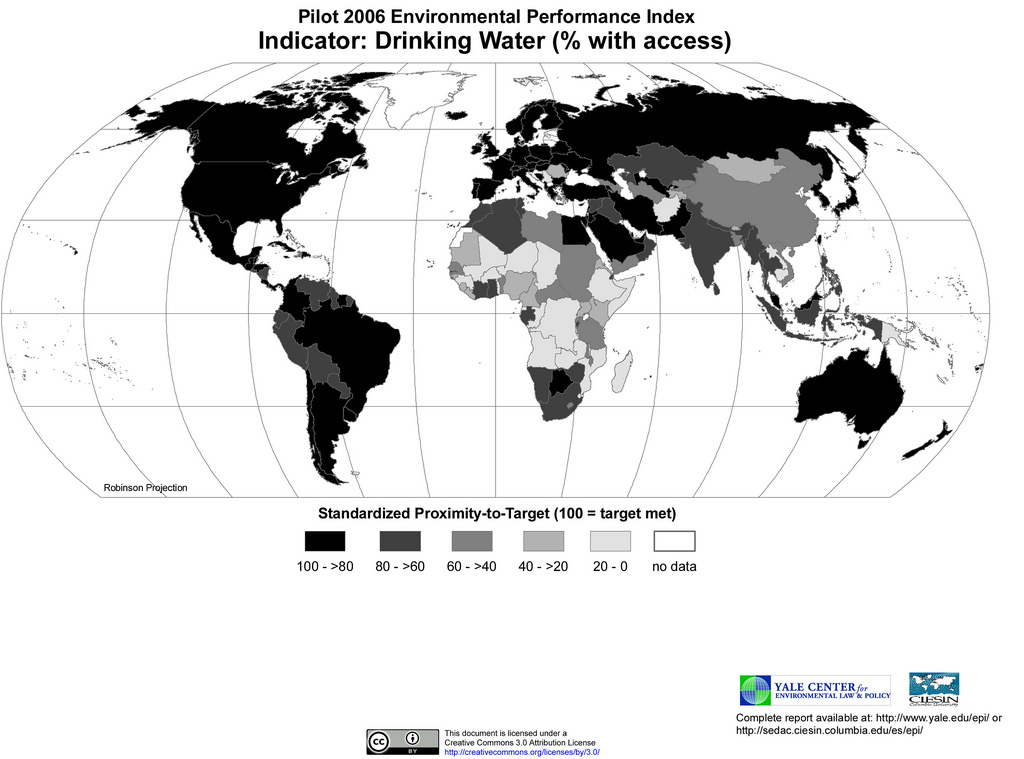
Adapting Drinking Water Resources to the Impacts of Climate change in Europe – ADWICE Stakeholder Exchange Conference 2012
The ADWICE Stakeholder Conference will take place on 2 October 2012 in Brussels, Belgium. The event will offer a platform for dialogue for understanding the vulnerability of drinking water resources, water quality and water abstraction infrastructures to local, national and European decision makers, experts and researchers, water supplier and river basin authorities. The one-day conference…
-
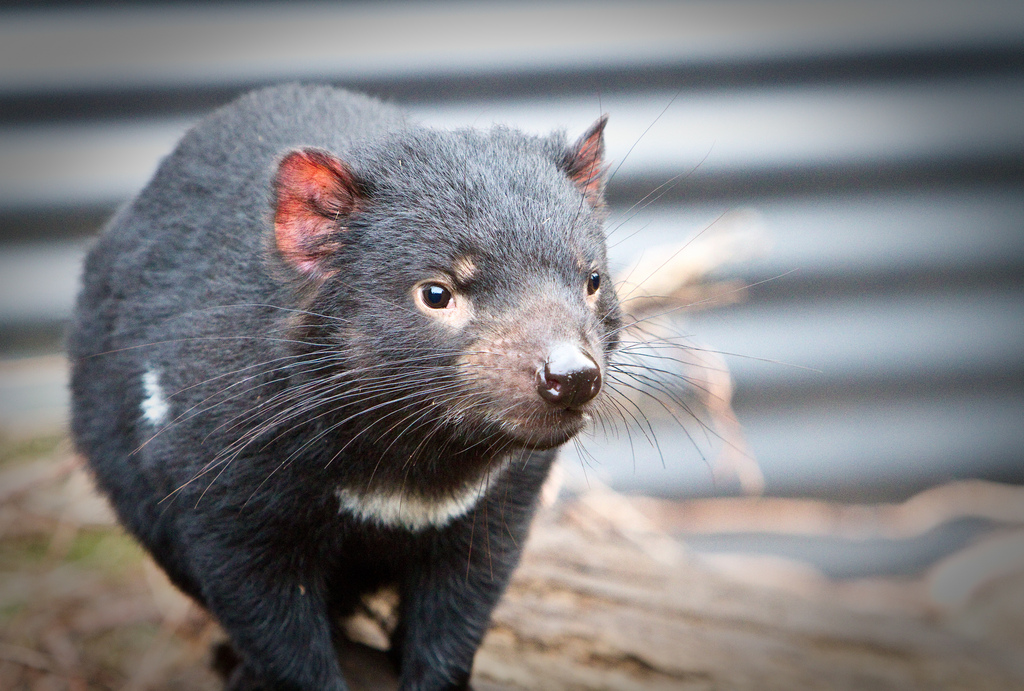
The Devil’s Technology
Biotechnology is rarely considered to be good for the environment. In fact, environmental campaigners frequently claim that genetically modified organisms represent a major threat to biodiversity and ecosystems. However, the study of the Tasmanian Devil Facial Tumour disease (DFTD) using genetic technologies is an example where biotechnology has been used to create a definite environmental…