Tag: featured
-
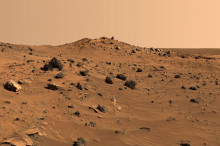
What do Mars and Australia have in common?
If you’re expecting a punchline to that title, then guess again. It’s no joke. Surprisingly, Australia shares some remarkably similar geology to our neighbouring planet. Specifically the Red Centre, the arid heart of Australia, is the most Mars-like place on Earth! It’s possible that people may have mused on the similarities already. After all, with…
-
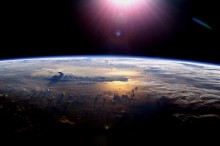
The Highlights of 2012
As 2012 draws to a close and the new year begins, now is a good time to wrap things up and recapitulate the year just passed. It’s been an exciting year with plenty of interesting happenings in science, technology, and education. Despite the fact that we aren’t especially keen on top 10 lists (because all…
-
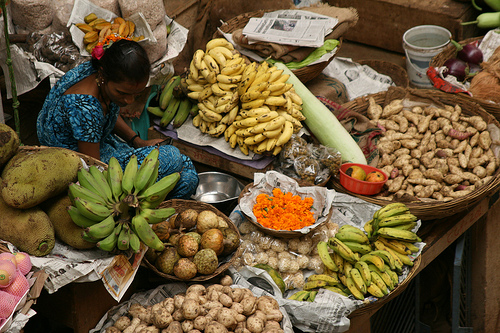
Is India a nation of geeks?
Angela Saini, in her book Geek Nation: how Indian science is taking over the world, wants to convince us that Indian science is taking over the world. Now any well read student of the physical and mathematical sciences will be able to provide you with notable scientific contributions. Even the Indian constitution abjures: “It shall…
-
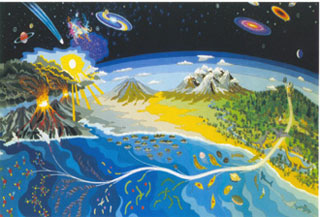
Does my science look big in this? The astrobiology edition
During the 20th century a powerful new idea gradually entered our consciousness and culture: cosmic evolution. We are all par of a huge narrative: a cosmos billions of years old and billions of light years in extent. It is this idea that caught my attention this month via the proceedings of the Sao Paulo Advanced…
-
Sandy’s aftermath
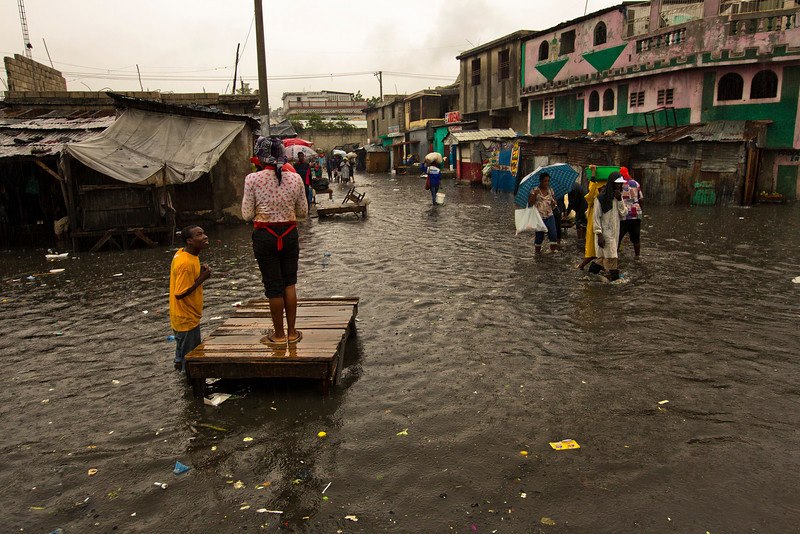
Before hurricane Sandy touched down on the east coast of America, it passed through the Caribbean, causing around 80 fatalities — 60 of them occurred in Haiti, 11 in Cuba, two in the Bahamas, two in the Dominican Republic and one in Jamaica. Hurricane Sandy started life out over central America, nonchalantly, as a collection…
-
The astronauts who put the USA on the moon
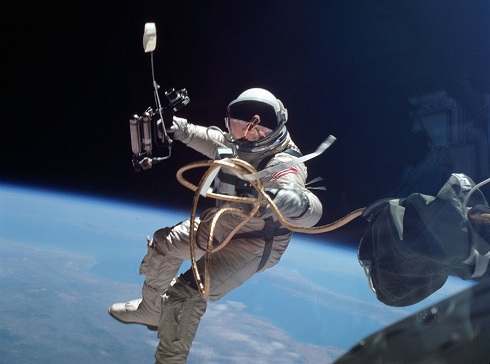
The Soviet Union launched Sputnik 1 into an elliptical low Earth orbit on October 4, 1957. This surprise precipitated the space age and triggered the space race. The success ushered in new technological, political, military, and scientific developments. On April 12, 1961, Yuri Gagarin became the first person in history to leave the Earth’s atmosphere…
-
Breaking plates
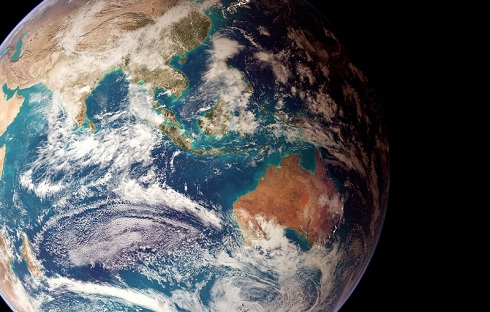
What do Australia and India have in common? The answer is that they both share one of Earth’s tectonic plates – the drifting eggshell-like pieces of Earth’s crust, on which all of our planet’s continents sit. However, the Indo-Australian Plate is a slightly unusual one, and the two countries may not share it for much…
-
Pioneer anomaly explained?
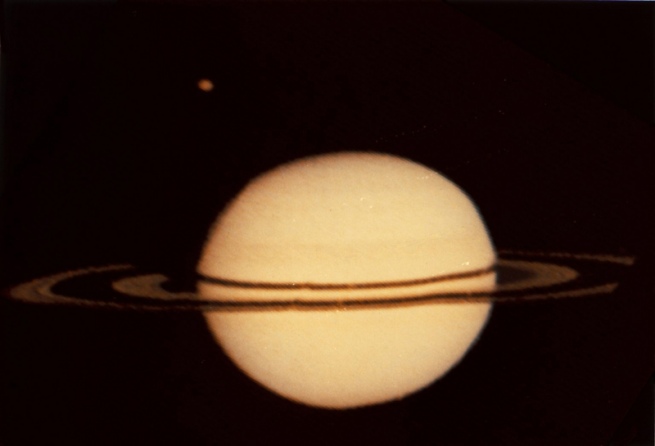
Pioneer 10 and 11 unveiled the solar system during the golden-age of robotic exploration. Their missions were a success; Pioneer 10 threading the asteroid belt to provide our first close view of Jupiter and its moons, Pioneer 11 catapulting past Jupiter and foraying through the plane of Saturn’s rings. The Pioneers, true to their name,…
-
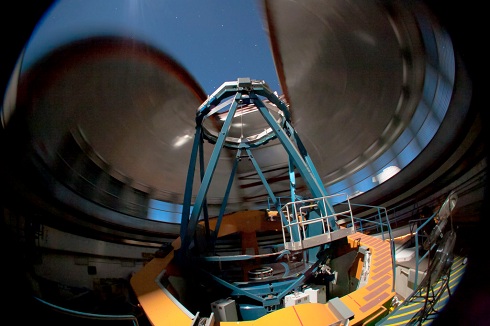
For sale: One world class infrared telescope
The world’s largest and most productive dedicated infrared observatory just went on the market in an unprecedented attempt to try and prevent it from being shut down and dismantled. In a bold move, the directors of the United Kingdom InfraRed Telescope (UKIRT), based on Mauna Kea in Hawaii, have just released a prospectus detailing the…
-
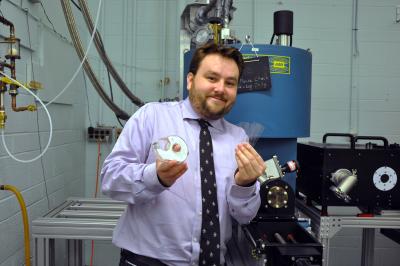
Does my Science look big in this? October edition
Science this month tackled many of the big questions: Where did life on Earth originate? How do we learn? How can we live healthy lives? and, What is it with scientists and sticky-tape? Lithopanspermia is the idea that basic life forms are distributed throughout the universe via meteorite-like planetary fragments. Eventually, another planetary system’s gravity…
-

Best of Science blogging – September 2012
Lot of events happening this September and I’m looking forward to share with you some wonderful articles and interesting posts, interviews for you to read. We have weekly science blogging picks with the guest editor each week, now it’s almost a tradition called #ScienceSunday, you can search for it on Google Plus as well. We…
-
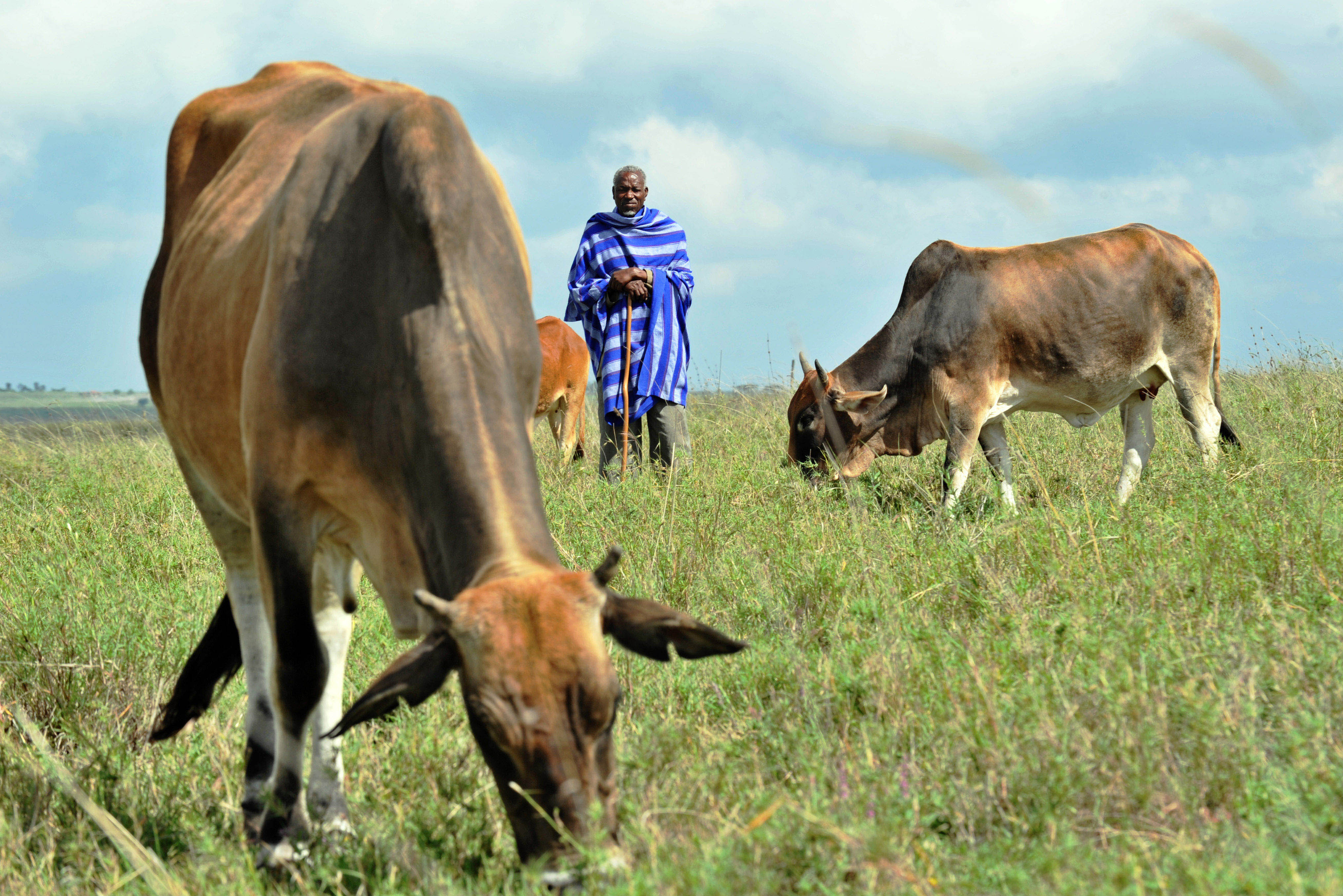
The tribe that eradicated rinderpest
Karamoja region in northern Uganda is one of pastoral communities and closely dispersed ethnic groups that rely on livestock for their livelihood. It is within a semi-arid place like this that economies based on meat, milk, and blood from cattle thrive. In communities such as this one, cattle plague will always be the number one…
-
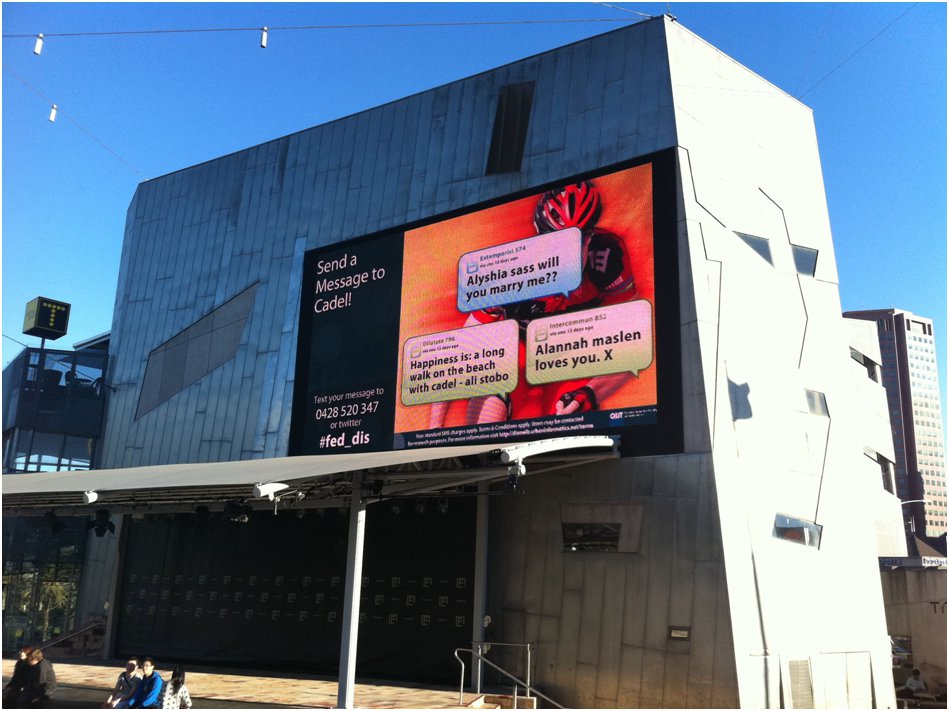
Urban informatics and new opportunities for interdisciplinary exchange – Interview with Marcus Foth
As an internet researcher and social media consultant, I ask some of the guests of the Australian Science magazine and knowledge network to tell me and my readers more about themselves, their current projects, and their views on topics including internet technology, the use of the Web in science and education, and certain aspects of…
-
Weekly Science Picks
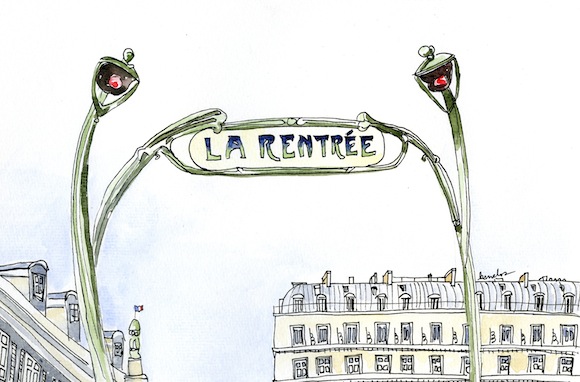
“La rentrée!” Paris — first week of September. It’s when the city reignites again, everyone comes back from holiday and gets back to work, and — more importantly — kids go back to school. In celebration of “le bon retour” my first pick comes from right here on Australian Science. Kelly Burnes’ musings on the…