Tag: Photography
-

Weekly Science Picks
I’m loath to begin a weekly roundup on a low note, and I’m truly sorry to have to, but this most certainly needs to be discussed. It’s been a turbulent week this week in the science blogging world. Turbulent and full of raised concerns over the state of things for those in a science communication…
-
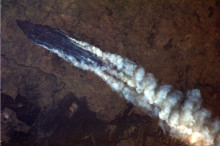
The Value of Astronaut Photography of Earth
Earthlings were spoiled when Chris Hadfield turned his camera to Earth. The astronaut, just returned in May from a five-month mission to the International Space Station, uploaded dozens of pictures of Australia to his Twitter feed and other social networks. His observations ranged from the whimsical — “Jackson Pollock would have been even further…
-

Weekly Science Picks
Greetings one and all, and a very happy science Sunday to you! This week’s generally been quite interesting. We’ve had good news, bad news, a little heated discussion… All the kind of things which keep the science community vibrant and interesting. As for specifically what that news was, well. Please do read on… First…
-
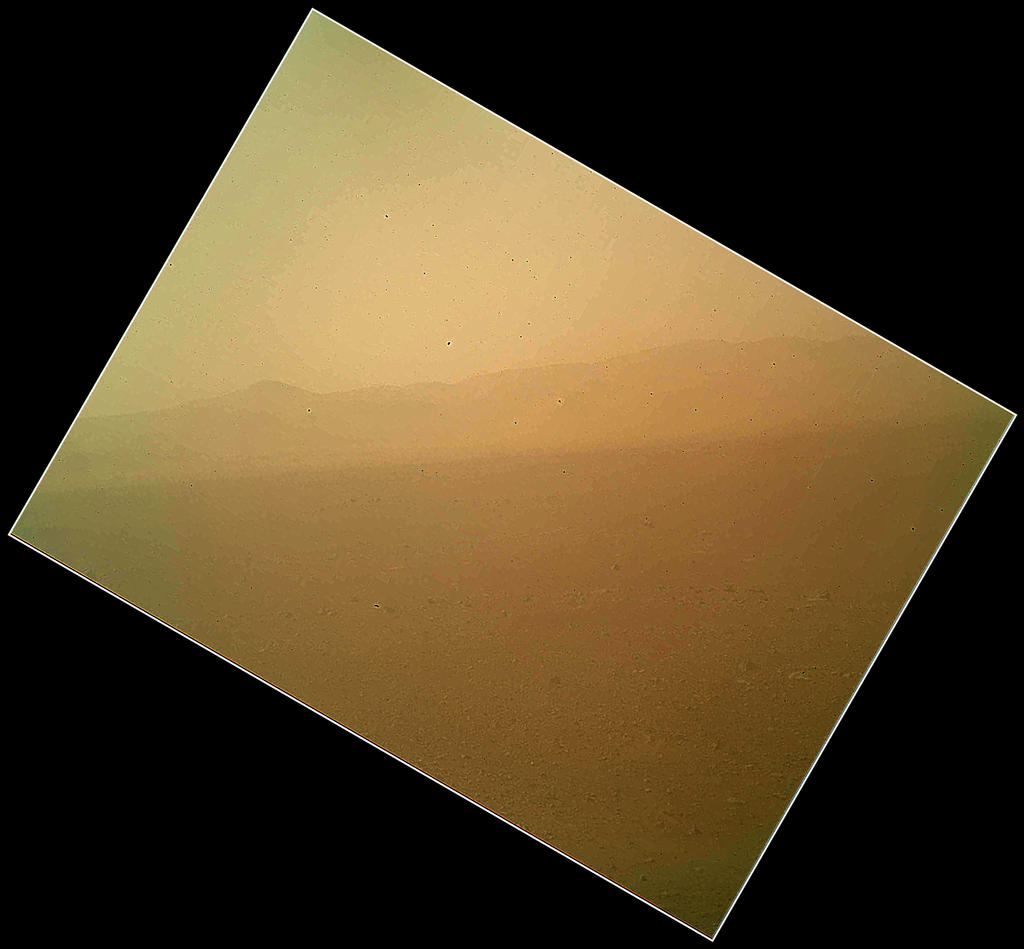
First Color Image of the Martian Landscape from Curiosity
This view of the landscape to the north of NASA’s Mars rover Curiosity acquired by the Mars Hand Lens Imager (MAHLI) on the afternoon of the first day after landing. (The team calls this day Sol 1, which is the first Martian day of operations; Sol 1 began on Aug. 6, 2012.) In the distance,…
-
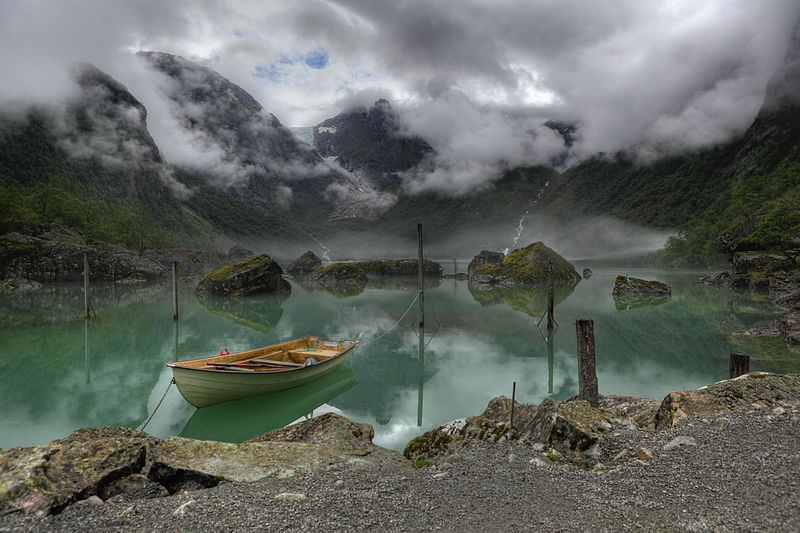
Wikimedia Commons – Images of the Year Announced
Wikimedia Commons have just announced their three best images from 2011. Commons is an online repository of media freely licensed and available for anyone to use and repurpose. Every year the Commons community highlights the best media submitted over the course of the previous 12 months, in what has become the Picture of the Year Contest. This…
-
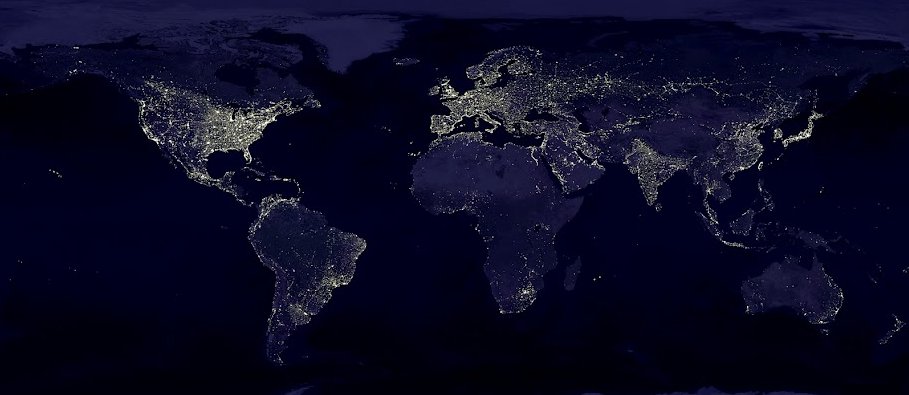
Earth’s City Lights
This image of Earth’s city lights was created with data from the Defense Meteorological Satellite Program (DMSP) Operational Linescan System (OLS). Originally designed to view clouds by moonlight, the OLS is also used to map the locations of permanent lights on the Earth’s surface. The brightest areas of the Earth are the most urbanized, but…