Author: Charles Ebikeme
-
Weekly Science Picks
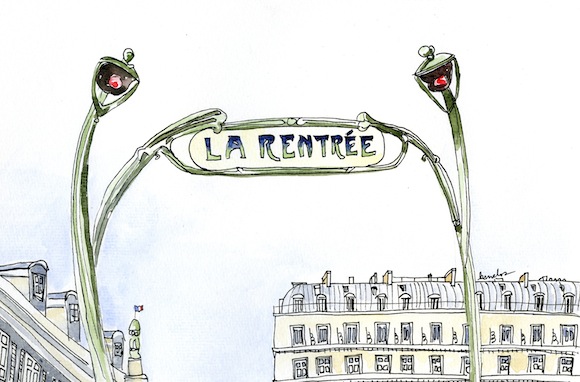
“La rentrée!” Paris — first week of September. It’s when the city reignites again, everyone comes back from holiday and gets back to work, and — more importantly — kids go back to school. In celebration of “le bon retour” my first pick comes from right here on Australian Science. Kelly Burnes’ musings on the…
-
Alien encounters and the man from Grenada
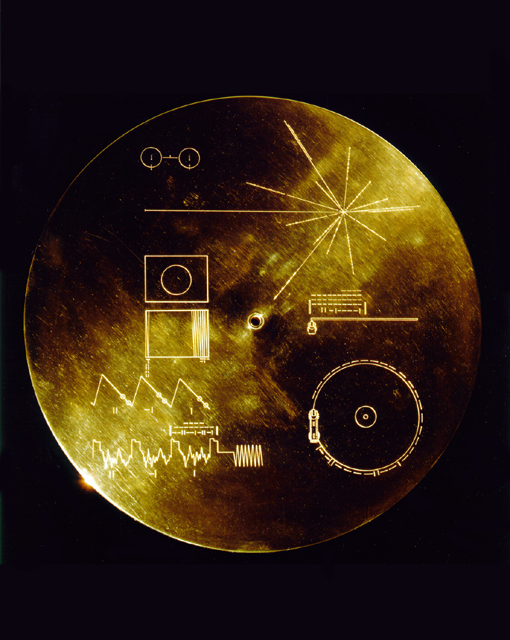
The month of August indeed belonged to the tiny rover that could — Curiosity. We were all hooked right from the landing and until those first images of the red planet were beamed back. Not even Will.i.am could spoil it for us. We revelled in everything in between, from the missed high-fives, peanuts, Neil deGrasse Tyson’s conversation with the rover,…
-
The rise in representation of non-human entities
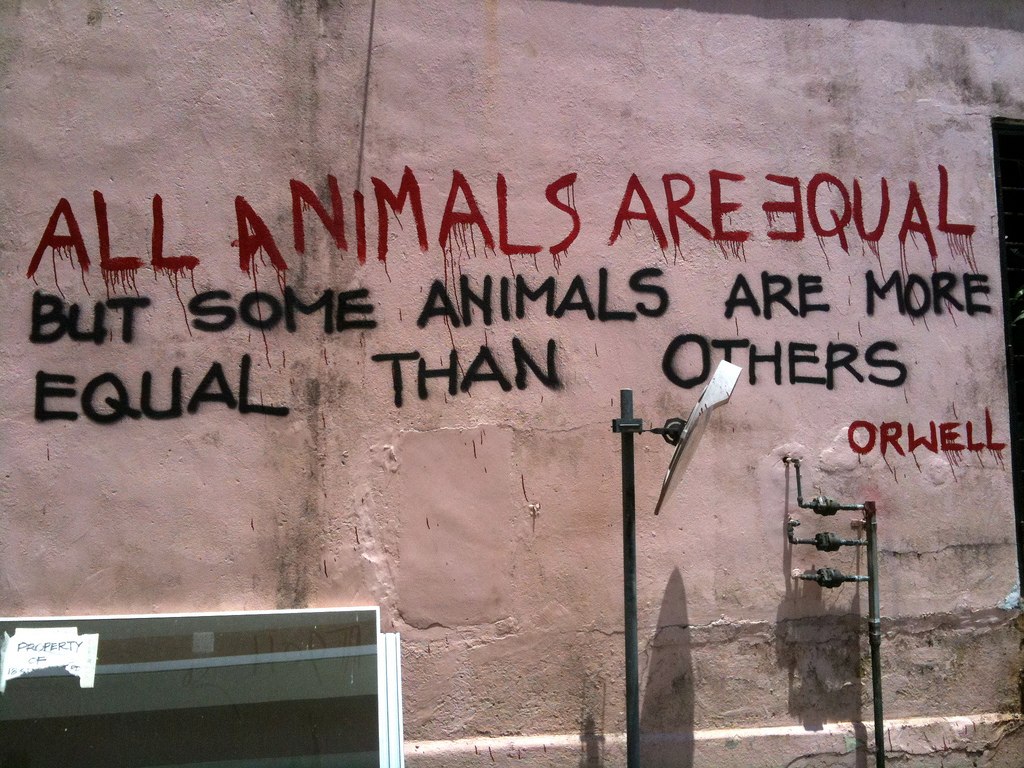
It happened over ten years ago. Jimmy was incarcerated against his will, held in a cage, isolated, and denied the basic freedom he deserved. A Habeas Corpus request was put in on his behalf. A long ordeal involving lawyers and various international organisations. It happened again last year, in San Diego USA, Tilikum, Katina, Kasatka, Ulises and…
-
Fear of Ebola
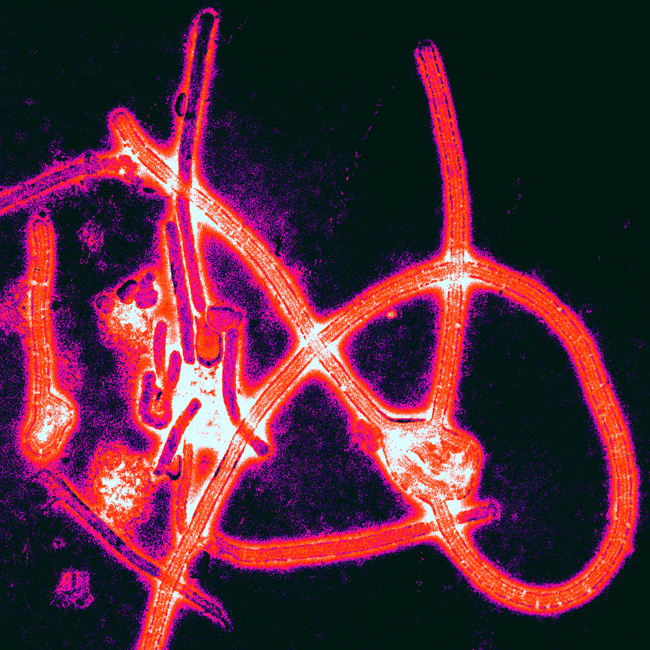
“…the last big outbreak I experienced in Uganda [was] in 2007. When MSF arrived a lot of the staff in the hospital had died and the rest had run away because they were scared.” — Dr Kamalini Lokuge, who is about to head off to Uganda with MSF to fight the latest outbreak. At the…
-
America in the time of AIDS
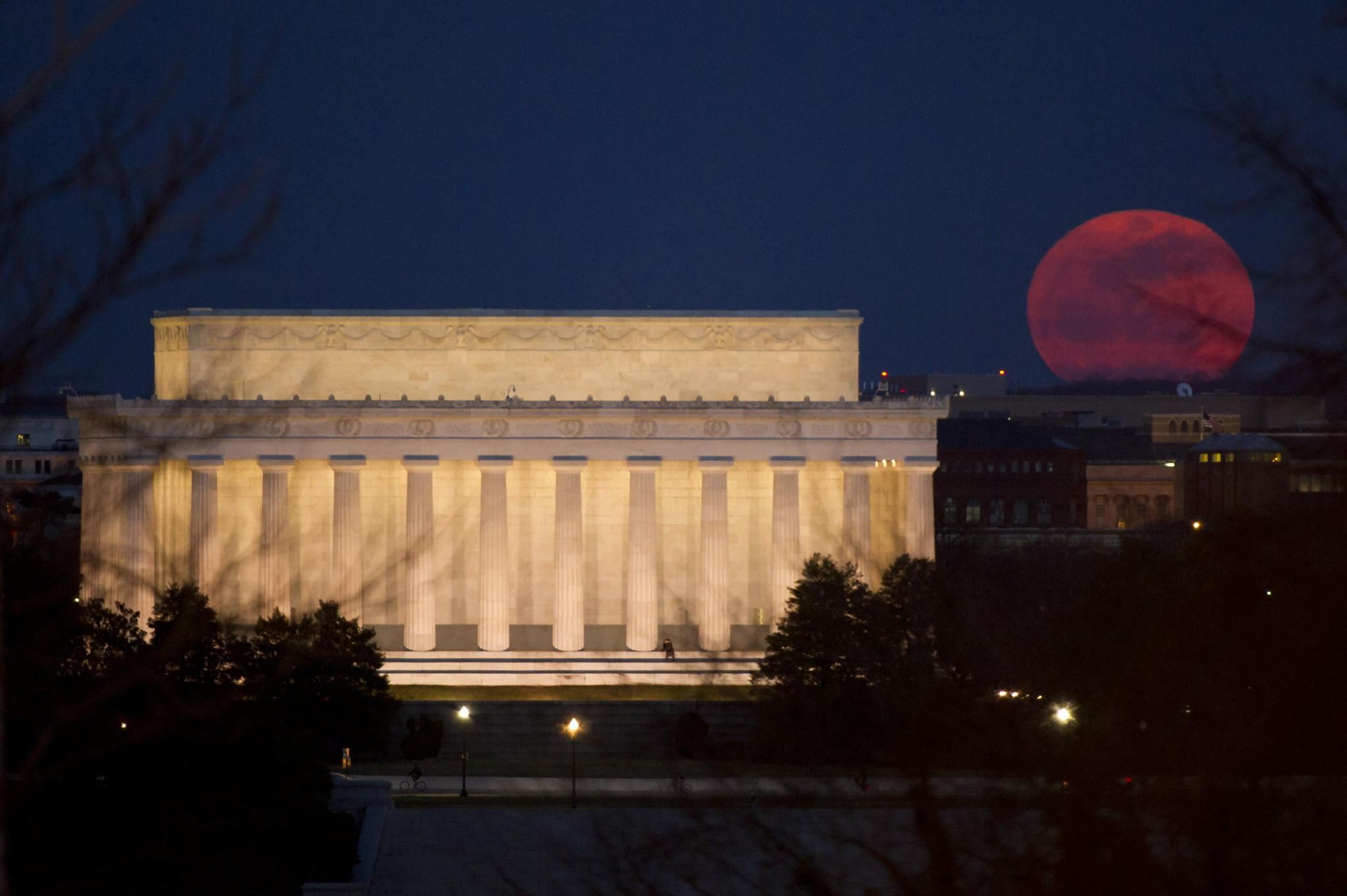
This week the world descends on Washington DC, to discuss, evaluate, and get the state of the art of what is probably the disease of our times: HIV/AIDS; as the city prepares to host the International AIDS Conference (AIDS2012). It marks the first time in 20 years the conference has been held in the US…
-
The extinction that is yet to come
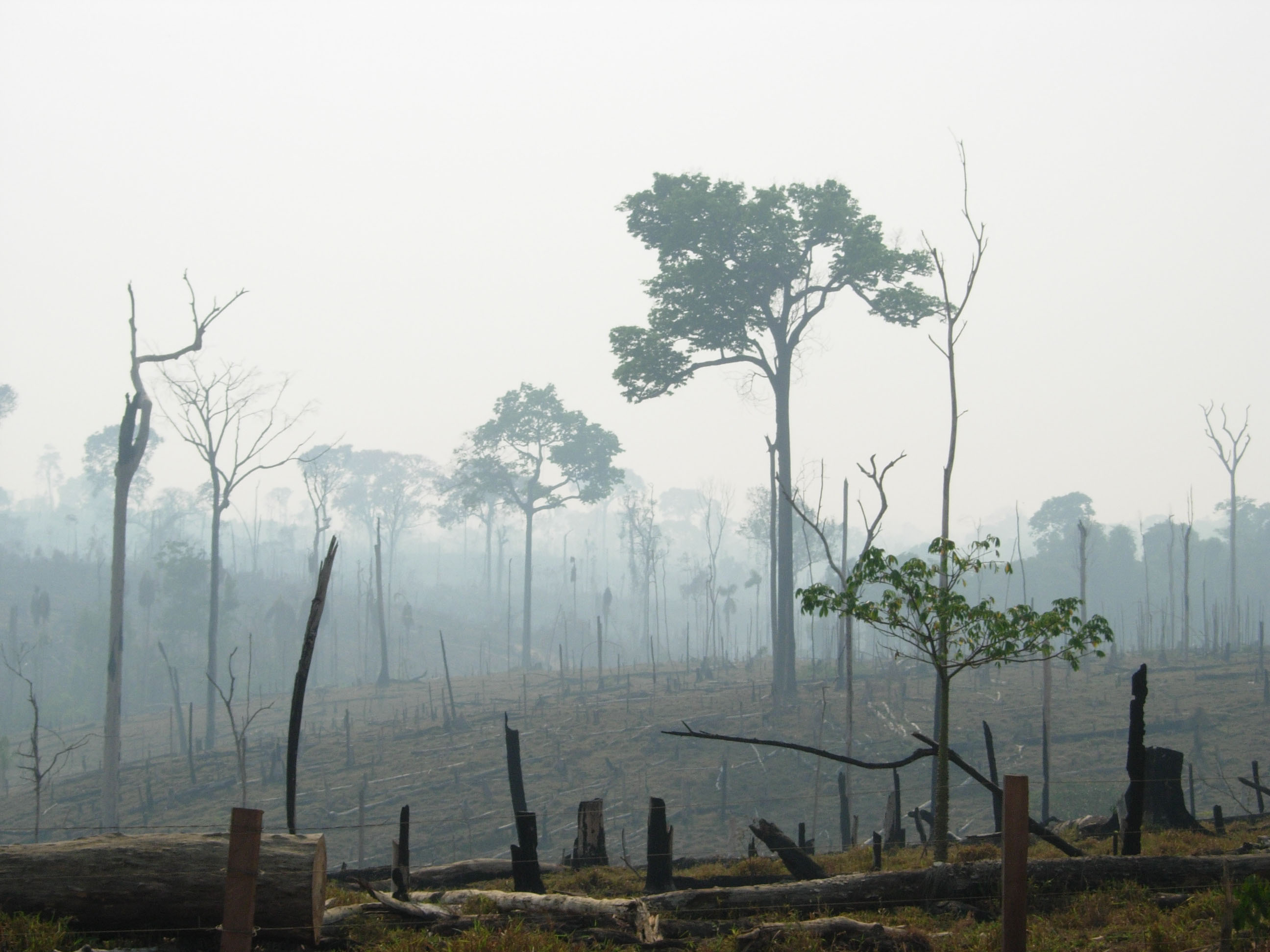
By 2050 they will all be gone. The worst is yet to come. The Amazon rainforest contains a wider variety of plant and animal life than any other biome in the world. The region in its entirety is home to roughly 2.5 million insect species, tens of thousands of plants, and some 2000 birds and…
-

Mr Boson, I presume…?
When Peter Higgs steps out onto the tarmac at an airport near the franco-swiss border, it will probably be with equal parts trepidation and elation. CERN, the European Organization for Nuclear Research, and the world’s leading laboratory for particle physics, is to hold a scientific seminar on July 4th, with Peter Higgs in attendance, to…
-

The clues to human uniqueness
Over 2 million years ago, before the emergence of the genus Homo, within the rift valleys and savannah grasslands of Africa during the Pliocene period, a unique event took place. One that, with some hyperbole, admittedly, shaped the course of human evolution. The event was on a molecular scale but had its bearings on what…
-
The pitcher plant, the beetle, and relying on rain for your next meal
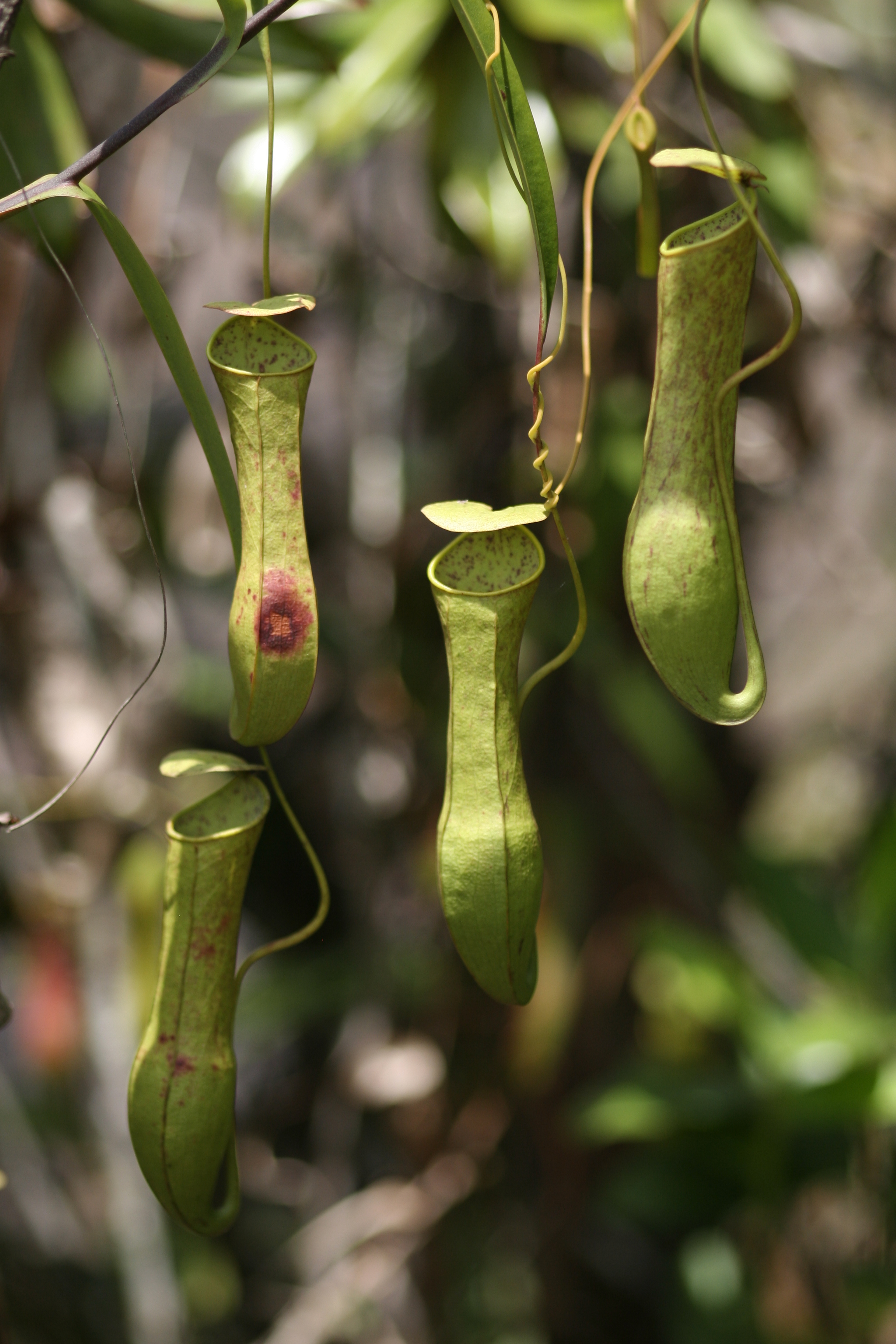
It’s a trap! In the fields of Brunei Darussalam in North Borneo, once a crown colony of Great Britain, lies the pitcher plant. The pitcher plant is carnivorous, capturing and devouring insects that seek to harvest its nectar. The pitcher plant is beguiling, attractive, and has evolved many ways to seduce its predator. Insect prey…
-
The Olympics Mass Effect
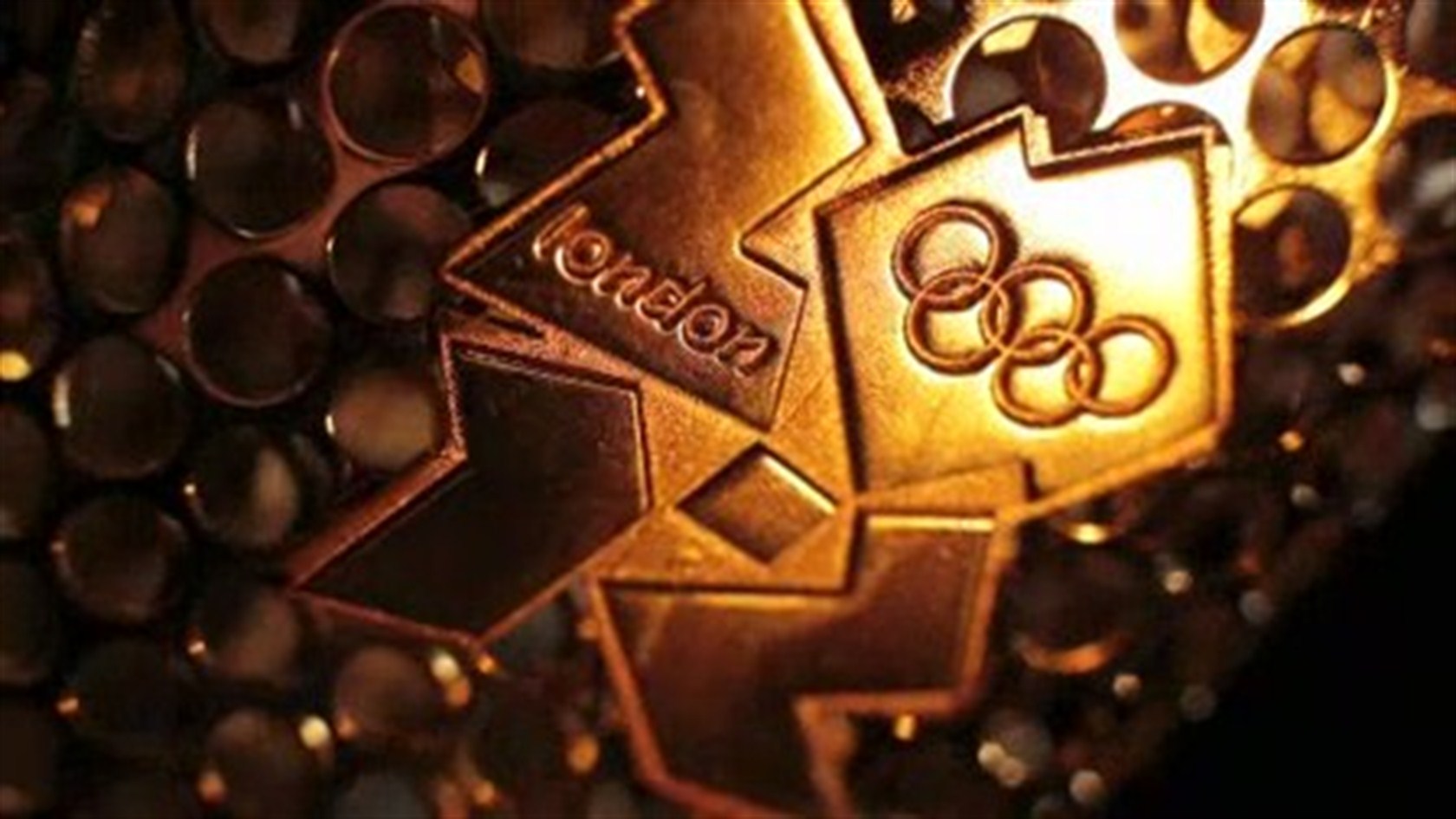
59 Days to go. Simply put, for those that care about the London Olympics — the excitement is mounting. With 26 sports across 44 venues, 10,500 athletes and millions of spectators, it’s going to be a busy summer. From Box-hill to Coventry, and all across London the preparations are almost over and it’s almost time…
-
Saving Australia’s Koalas
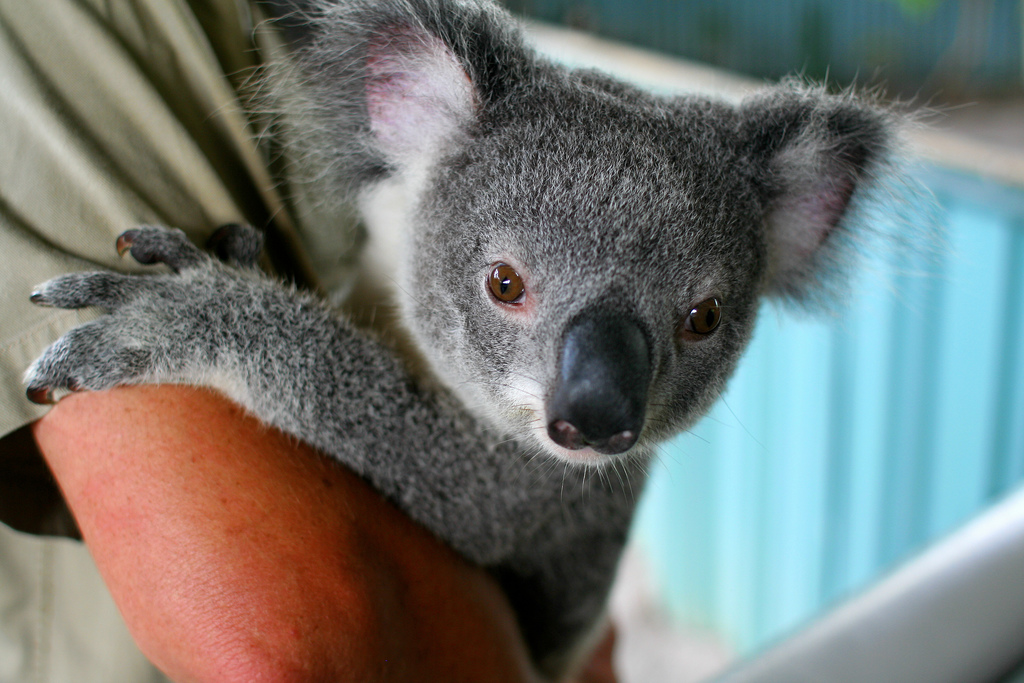
In an emergency room at Beerwah, Queensland, the phone rings almost 100 times a day. The emergency room is one at the Australian Wildlife Hospital, providing veterinary care for sick and injured wildlife — admitting anywhere in the region of 30 different species on a daily basis — with injuries resulting from accidents, acts of…
-
The social network of solitary lizards
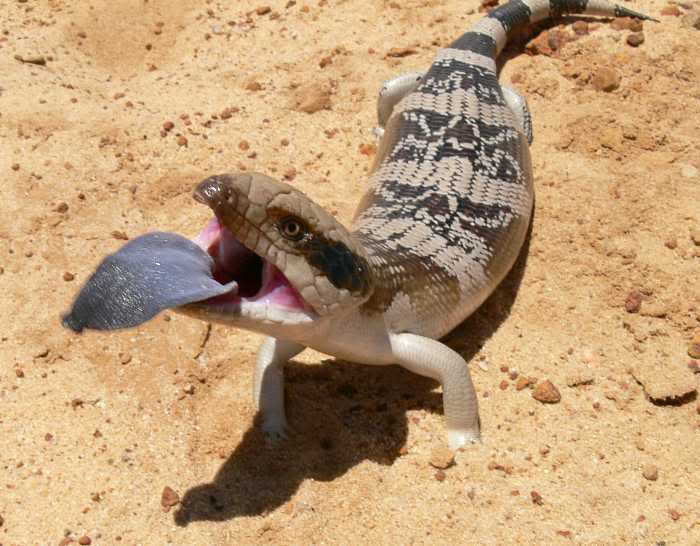
Burra, South Australia. Dirt roads link sparsely populated towns and communities once home to copper miners that lived in tiny dugouts along the banks of the creek. Burra is a place capsulated by hot, dry summers and cool moist winters. Across the arid place a grey-brown reptile with short limbs and a large cumbersome head…
-
How many genes does it take to vote?
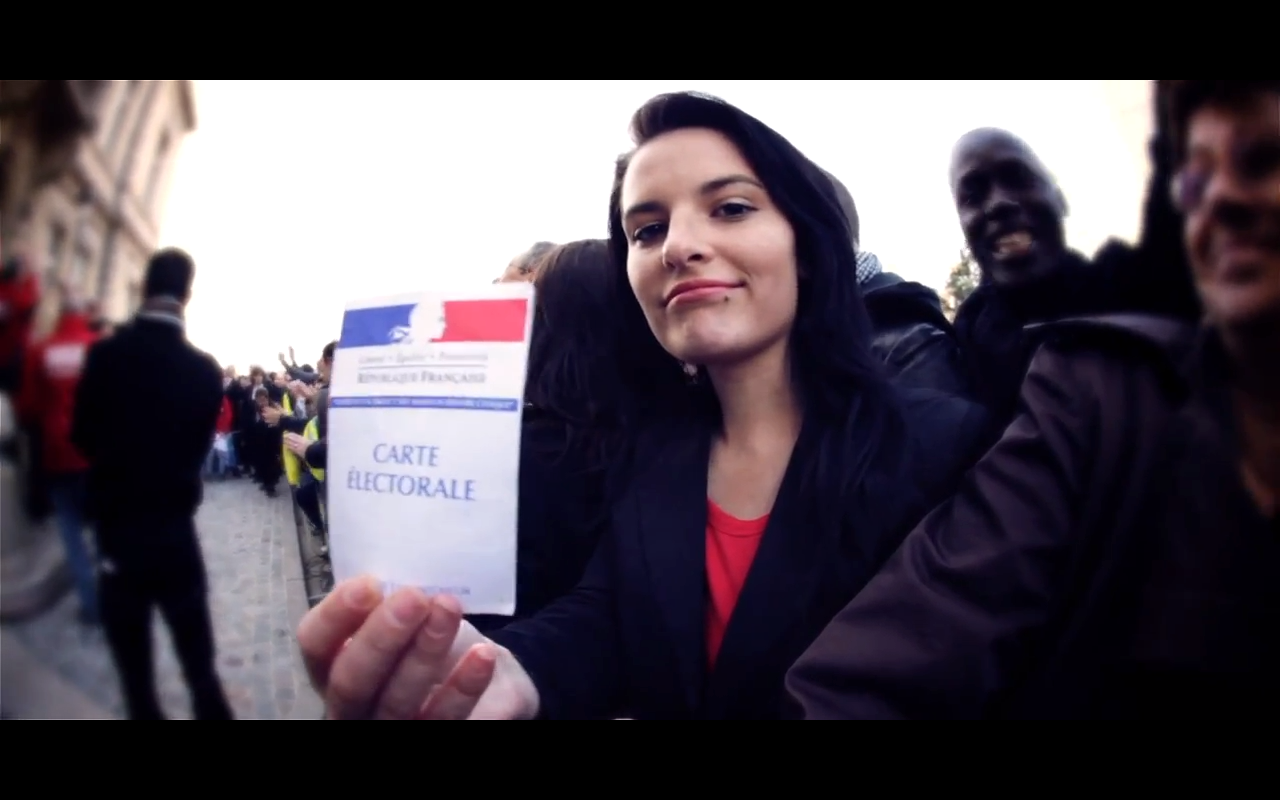
“2 genes predict voter turnout” If it was as simple as that we can forego all the campaigning. That was the headline that came with a 2008 study — a watershed moment — in which two authors claimed that they sufficiently demonstrated that when it comes to political ideology, genes count for more than environment.…
-
Battlefield Theory
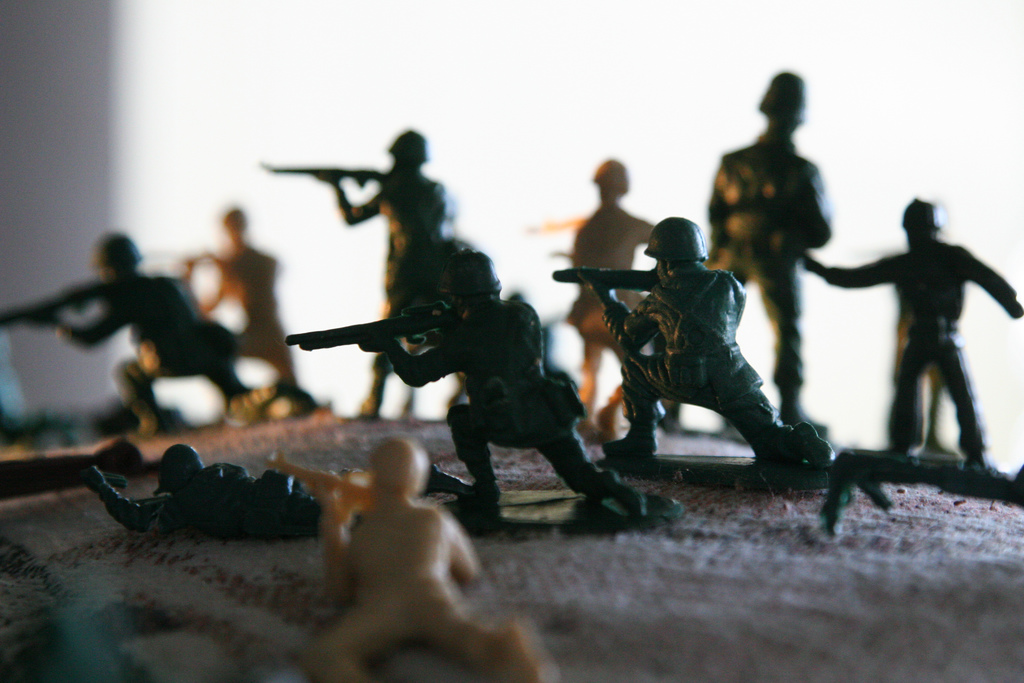
Imagine the scene — from the mouth and nose, through the pharynx into the trachea, separating into the left and right main bronchi at the larynx. This is the start of your airway. This is to be the site of inflammation, or rather, the site of battle. Across the landscape that is the airways, two…