Category: Social
-
How the Internet Has Changed the World
The Internet revolutionised the way we live, learn, communicate and the way we do our business.Today, most of us can’t and won’t imagine our lives without it and we take the existence of the Internet for granted. Younger generations may not be aware of this fact – but us who were born in the 70s…
-
Love of Language
“Canicule!” The word I was looking for was “heatwave”. Sometimes a word appears to me in a different language — one that is not my mother tongue. I quickly realised I am not the only one. What we are experiencing is a pandemic of bilingualism — part infectious disease and part hereditary burden — passed…
-

The Contagion of Violence
When Professor Plum killed Dr Black, in the library, with the candlestick it was for no other reason than murder is a disease. Murder is infectious and the contagion of violence is everywhere. Violence begets violence.Violence within nations and cultures. It occurs within families and between partners. It increases the risk of violence directed at…
-

Weekly Science Picks
The midlife crisis is more complicated than first thought. It might be time to stop blaming troubled marriages and feeling obsolete in a sea of younger colleagues. A study published in the Proceedings of the Natural Academy of Sciences has revealed that chimpanzees and orangutans also experience a midlife crisis. Having a midlife crisis may…
-

The Science Surrounding James Bond
Bond. Double Bond. That was a quip a lab partner of mine cracked during a sophomore chemistry class and I have not forgotten since. And it is a perfect lead in for this week’s post as I take you through the past and into a closer look with – The Science Surrounding James Bond. This…
-
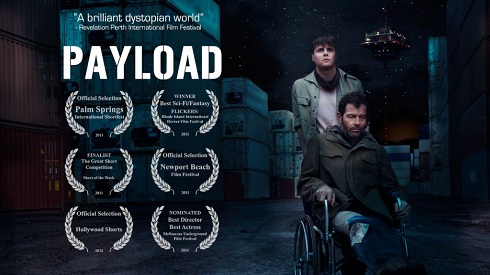
Payload
Science Fiction This may not be the usual topic for a blog post normally displayed on Australian Science, but when our editor Danica mentioned she saw this great Aussie short and asked if one of us writers wanted to do a narrative, I jumped at it. The next 17:55 of my lunch break left me…
-
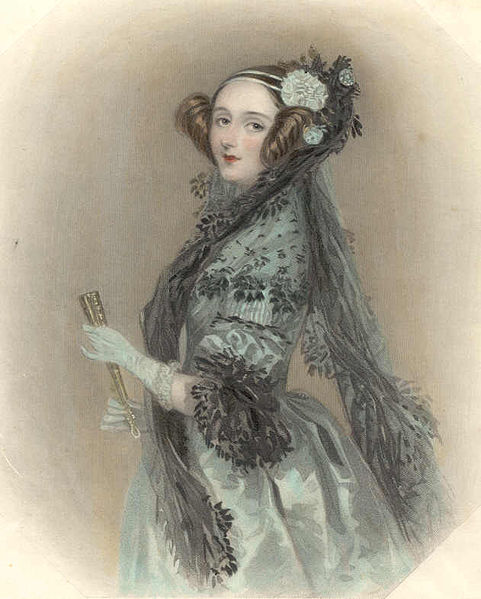
Ada Lovelace Day: celebrating women in science, technology, engineering and maths
In the 1800s, Ada Lovelace, an English mathematician, worked with inventor Charles Babbage on a plan for an “analytical engine.” Though the device was never actually made, it is considered the first computer model, and Ada Lovelace, the first computer programmer. Today, October 16, is Ada Lovelace Day, a celebration of women in science, technology,…
-
Amy Cuddy at TED: Your body language shapes who you are
Body language affects how others see us, but it may also change how we see ourselves. Social psychologist Amy Cuddy shows how “power posing” — standing in a posture of confidence, even when we don’t feel confident — can affect testosterone and cortisol levels in the brain, and might even have an impact on our…
-

Weekly Science Picks
Sigh, my photo caption sums it all up… But here are the news stories that caught my eye and I hope you find them interesting as well. Maybe reading them will inspire your own work or to dig deeper for answers. In any case, enjoy! This is one of my favorite topics because it…
-

ScienceOnline 2013 – be a part of the program, and participate!
ScienceOnline2013 conference will take place Jan. 31-Feb. 2 in the McKimmon Conference Center on the campus of N.C. State University in Raleigh, North Carolina. For those not familiar with ScienceOnline conferences, ScienceOnline started in 2007 as a one-day conference with 135 people who wanted to explore the world of science blogging. Today, ScienceOnline has grown…
-

Is Communication a Lost Art?
So how far away are we from planet Earth morphing into Holodeck 5 and we all have Geordi La Forge glasses? There are several pairs of augmented reality glasses already on the market, many from brands you’ve probably never heard of, but then I’m sure you have heard of Google and their latest project in…
-

Lonelier Than Ever
My childhood was spent on a dairy farm in Los Angeles County. Telephones were still luxuries. It was a big deal when we got a four-party line (yes! four households shared the same line). Phone bandwidth was expensive. Only the wealthy had private lines. On Sundays friends and neighbors would drop in on each other…
-
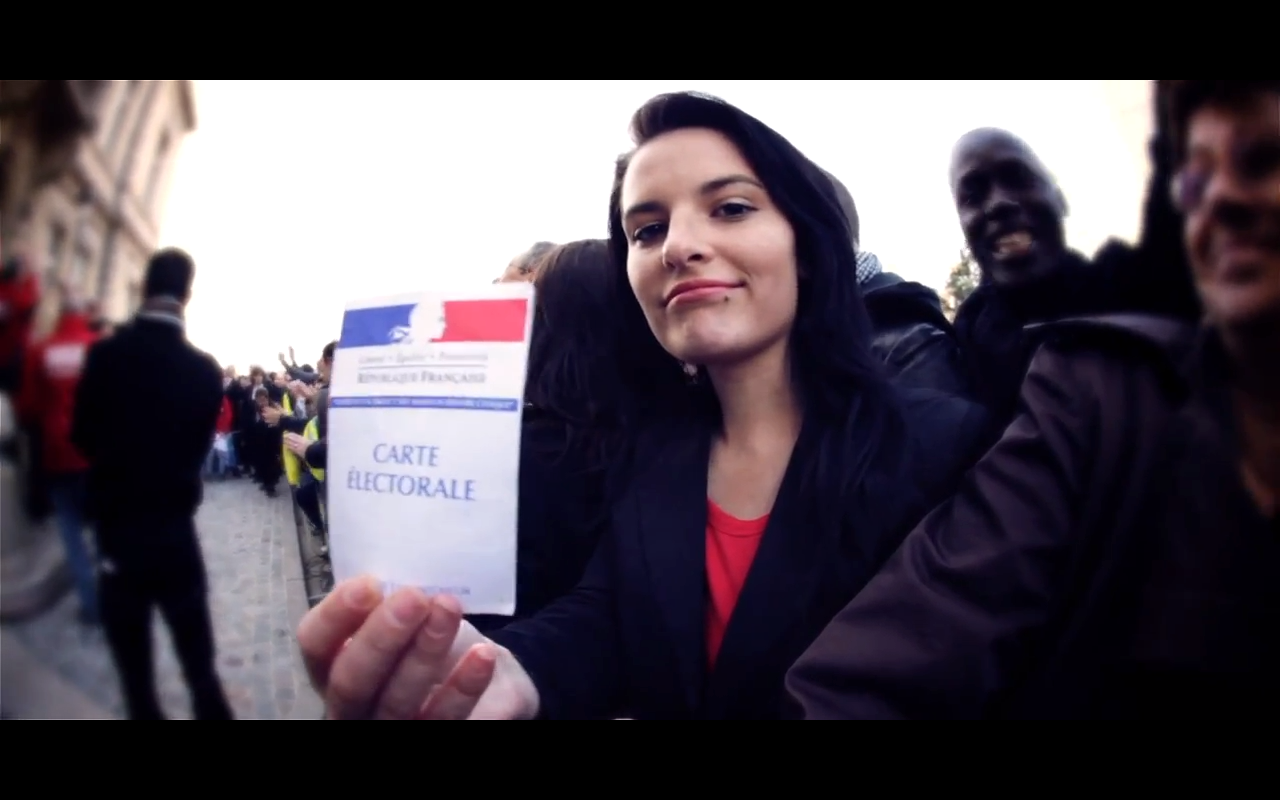
How many genes does it take to vote?
“2 genes predict voter turnout” If it was as simple as that we can forego all the campaigning. That was the headline that came with a 2008 study — a watershed moment — in which two authors claimed that they sufficiently demonstrated that when it comes to political ideology, genes count for more than environment.…
-
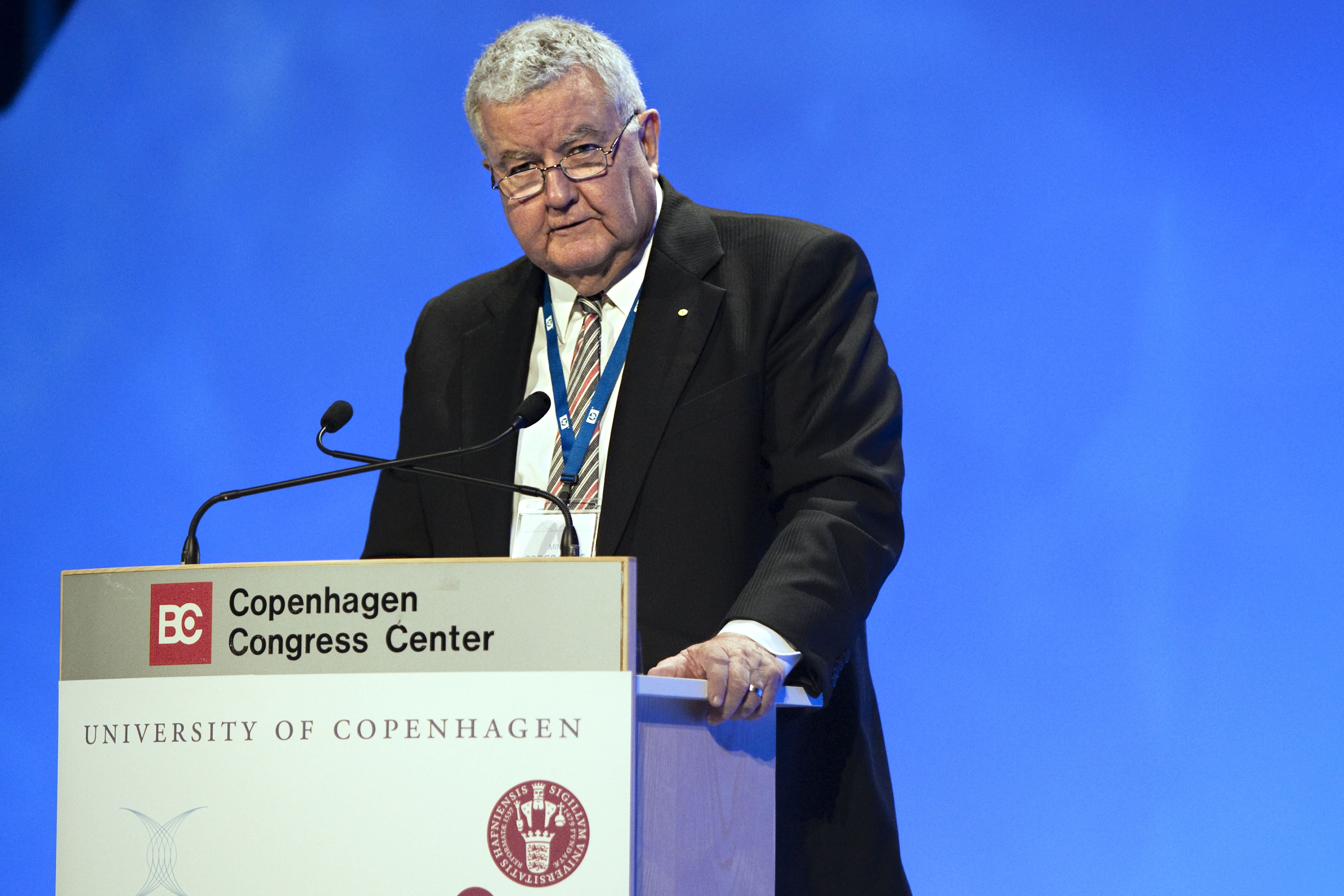
“Smarter, more competitive, more productive”, the Chief Scientist, Professor Ian Chubb on Australia’s Future in Science & Technology
There is no doubt in the mind of Australia’s Chief Scientist, Professor Ian Chubb, the future will be shaped by science technology, engineering and mathematics. Unfortunately, he finds that at present the standing of science, as an expert authority, is being challenged. Furthermore, Ian Chubb finds that the science message is getting lost in the…