Author: Charles Ebikeme
-
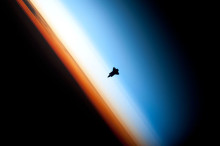
The bacteria that live inside hurricanes
Seven miles above the Earth’s surface, where the weather is born, lies the troposphere – the lowest layer of Earth’s atmosphere. Up there, where the clouds dance around, are bacteria that can make it rain, and are important for the formation of clouds. The atmospheric microbiome is a concept and field of study that is…
-
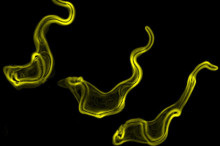
The animal link to sleeping sickness
As with many parasites, the nuisance they bring is partly compensated for by new insights they provoke. The African trypanosome is perhaps unique among all of the diseases of developing worlds. The diseases of sleeping sickness, inflicted on man and cattle alike, perhaps drove early man ‘out of Africa’ — in an attempt to avoid…
-
Morphine Hurts
Why does Morphine cause pain? He was diagnosed with testicular cancer at the age of 27. At the age of 39 he was in so much pain he begged his doctors to die. He was in pain because of morphine. In the 12 years he lived since he was diagnosed he had a therapeutic regimen…
-

Weekly Science Picks
With 2012 firmly behind us, with no more reflections and no more top ten lists, let’s begin… The BBC. As warm and comforting as mother’s milk. A beacon for the rest of the world to follow. Journalistic integrity, and more bang for your buck than any other establishment I can think of. There is nothing…
-

2013: The Year to Come
The 21st century is now a teenager. We prospered. We suffered. But most of all, we survived. Here’s to 2012 and the year ahead. 2012 was a remarkable year, especially for science. There were world firsts and breakthroughs. The story of the Higgs boson definitely made the top of many lists. The relentless march of…
-

Predicting the next epidemic
In some parts of this world the rains predict disease, and a hot, dry, dusty wind is the harbinger of a meningitis outbreak that is yet to come. Now, from where you sit, Google will soon predict the next great epidemic. At this time of year, ever since that 2009 paper was published on flu…
-
Weekly Science Picks
Science Sunday! Our recurring collection of some of the week’s blogs and science articles that you may have missed. World AIDS Day The month of December begins, as it always does, with World AIDS Day. A day to raise awareness about HIV/AIDS and demonstrate international solidarity in the face of the pandemic. A day to…
-
Sandy’s aftermath
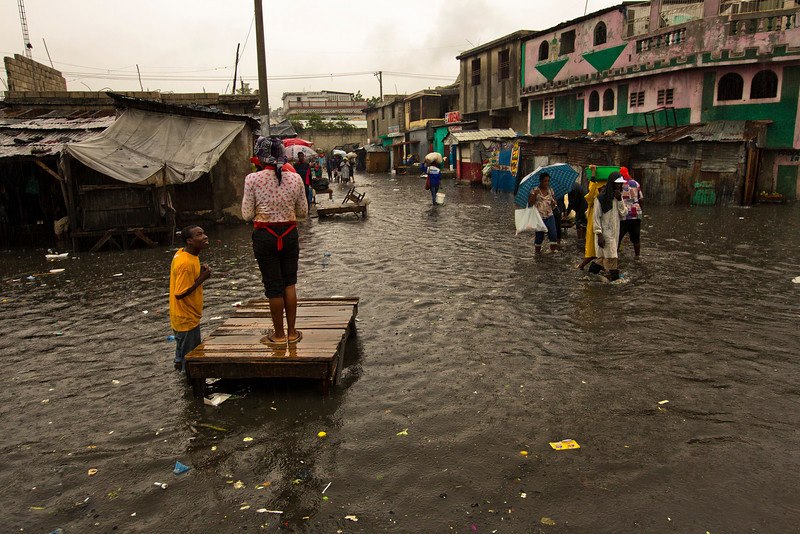
Before hurricane Sandy touched down on the east coast of America, it passed through the Caribbean, causing around 80 fatalities — 60 of them occurred in Haiti, 11 in Cuba, two in the Bahamas, two in the Dominican Republic and one in Jamaica. Hurricane Sandy started life out over central America, nonchalantly, as a collection…
-

Weekly Science Picks
Bob Dylan and the curse of self-plagiarism. Disclaimer: this weeks theme largely relates to Bob Dylan. Up first — here comes a story of a Hurricane! With frankenstorm Sandy in the news, Empirical Zeal asks the question “What is the true measure of a storm?” “In the western hemisphere, hurricanes are all rated on the…
-

Panique au village: the revolution that caused an epidemic
It boasts, struts, and flaunts with that kind of assurance that only comes from the mentality of knowing that you are right, and that even if you may be wrong, others will admire you for it. This is Paris. Where other cities flowed and spilled out to occupy a space larger than its originality, Paris…
-
Giant Impact: making the moon
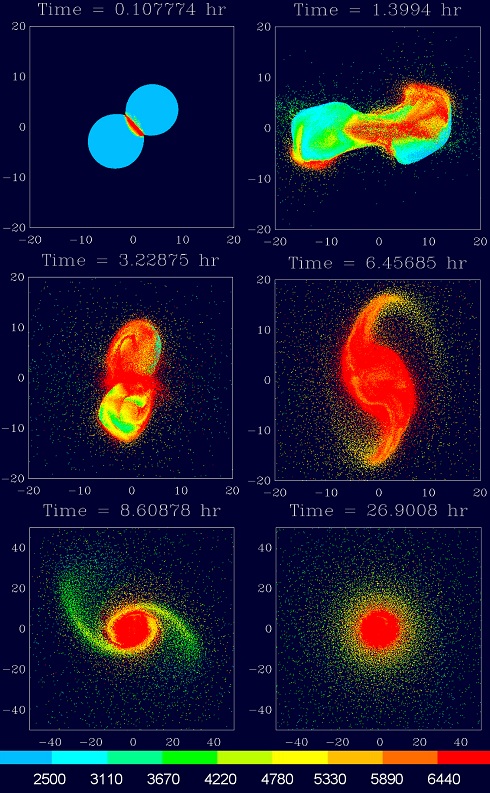
It began… where it always begins — out there — in the vastness of space. What would it look like, that void of empty nothingness? So early on in the sound of creation, indescribable things all around. Not yet planets, not yet moons. Not yet defined. A titanic mass of rock. Different. Ugly and melancholic.…
-
The evolution of human mortality
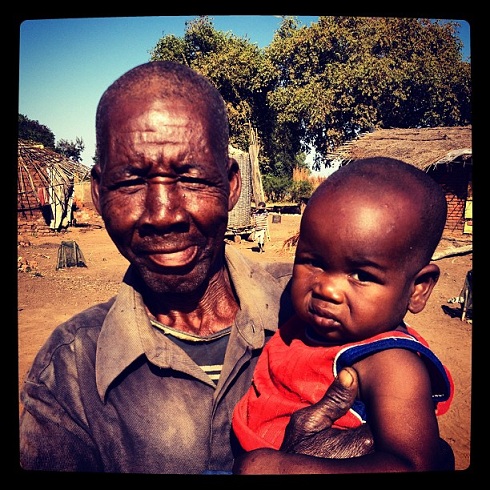
How long until we live forever? The general consensus is that we are getting older and living longer. Despite consequences and kryptonite, it is getting easier to stay alive. Heaven can wait, it seems. Every year each baby born is expected to live 3 months longer than its predecessor of the previous year. This has…
-
Weekly Science Picks
Happy Birthday! This first week of October there seemed to be a recurring theme — one of birthdays. On the 1st Nigeria celebrated 52 years of independence, followed closely Germany celebrating unity on the 3rd. But possibly the oldest this week had to be the birthplace of tropical medicine — the London School. “On the…
-
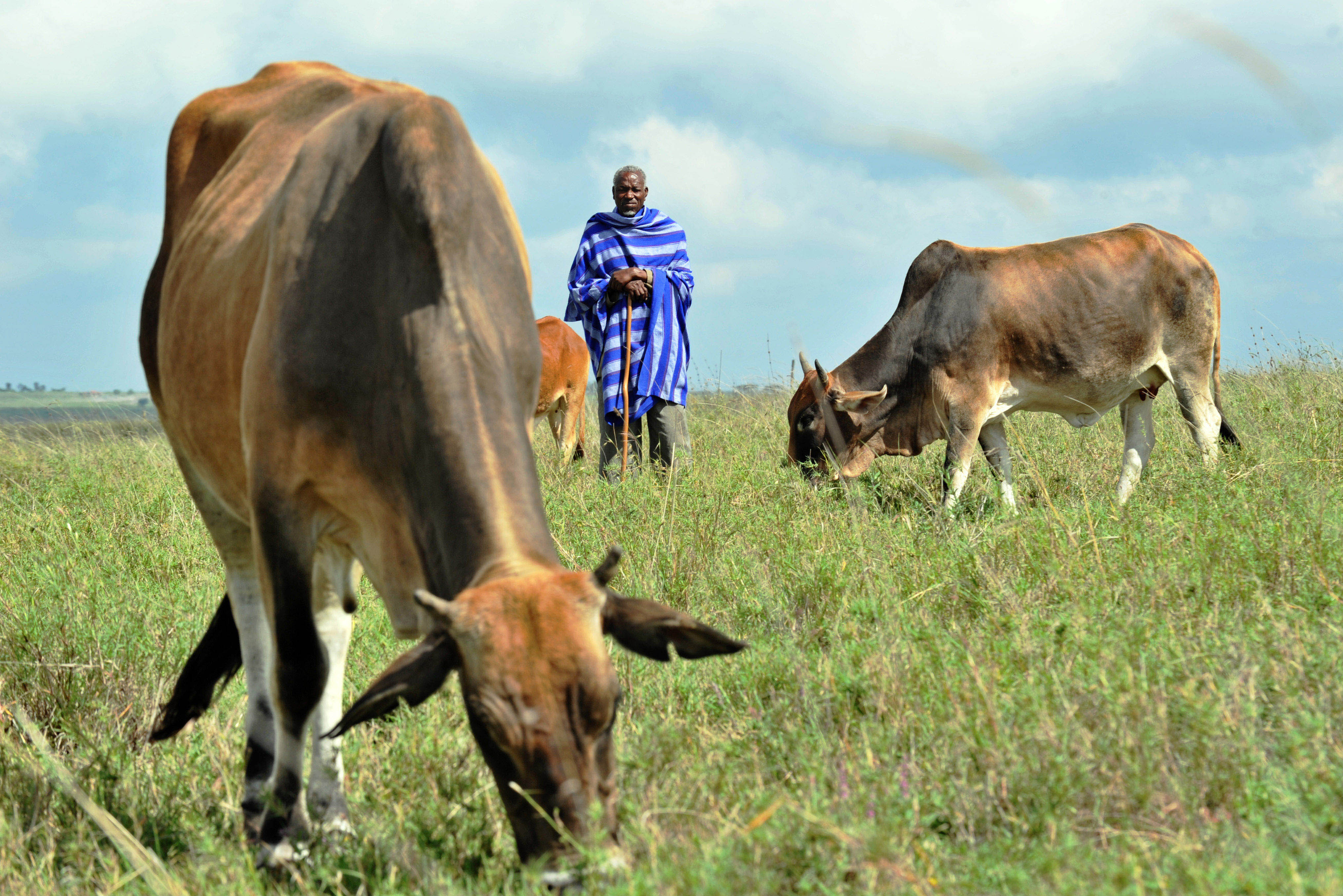
The tribe that eradicated rinderpest
Karamoja region in northern Uganda is one of pastoral communities and closely dispersed ethnic groups that rely on livestock for their livelihood. It is within a semi-arid place like this that economies based on meat, milk, and blood from cattle thrive. In communities such as this one, cattle plague will always be the number one…