Tag: astronomy
-

Weekly Science Picks
By now, I think it’s safe to say that if you’re reading this, it means the world didn’t end on Friday. Which is rather a good thing, because a lot of interesting things have been happening recently! Even though I’ve been busy as can be, writing papers and trying to finish off a thesis there…
-
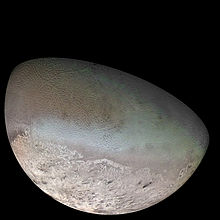
The Case for Neptune
Take a moment to consider Neptune. The eighth planet in our solar system, the planet farthest from the Sun, and the third most massive planet in our solar system. Also one of the least visited, and consequently one of the least understood planets in our solar system. Neptune was discovered in 1846. Forty years later,…
-

Weekly Science Picks
Doesn’t time fly? I don’t know about anyone else, but my week has absolutely flown past. As I take a moment to relax and consider picking a few favourite topics from this week’s news, I realise that perhaps this is because it’s been an exciting week, full of interesting discoveries and unusual events. In fact,…
-
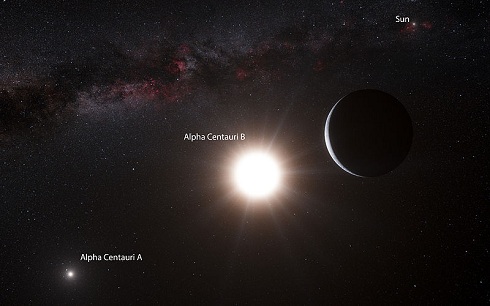
The nearest solar system to ours has an Earth-sized planet…
Already there’s an artist’s impression of the newly discovered ‘Alpha Centauri B a’ Yes—you read right. Alpha Centauri has a planet, and it is roughly the size of Earth. And at just 4.37 light years distance, it is theoretically reachable (with a whole lot of space travel development!) despite the frustrating limitations put on us…
-
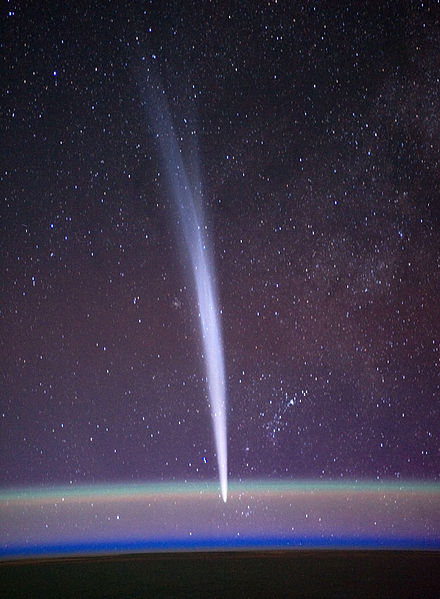
2013 looks like being the year of the comet
Comet Lovejoy, taken by astronaut Dan Burbankfrom the ISS The astronomy world has been buzzing since it was announced on 24 September – C/2012 S1 is a new comet that could be lighting up our skies like none in living history by November 2013. It’s been named Comet ISON after the telescope research network…
-
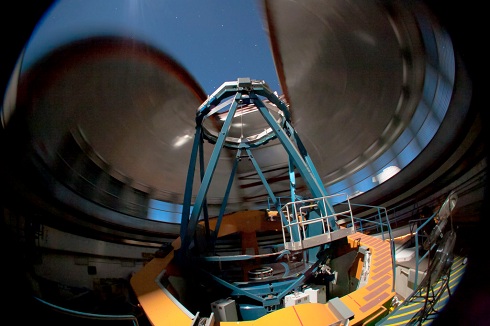
For sale: One world class infrared telescope
The world’s largest and most productive dedicated infrared observatory just went on the market in an unprecedented attempt to try and prevent it from being shut down and dismantled. In a bold move, the directors of the United Kingdom InfraRed Telescope (UKIRT), based on Mauna Kea in Hawaii, have just released a prospectus detailing the…
-

My mega grab-bag of astronomy resources for teachers, students, telescope beginners and space fans
Whether you are a parent, teacher, student or simply an interested enthusiast, here are a number of interesting sites, podcasts, and social media people for you to draw on as you get going in amateur astronomy. Podcasts provide an amazing resource – all free. Most are available via iTunes, the original publishers’ websites, or a raft…
-
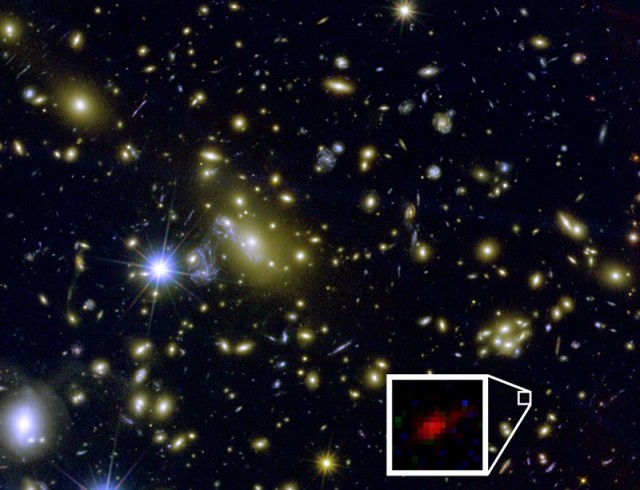
A long time ago in a galaxy far, far away
Feast your eyes on this image… The tiny object in that inset may not look like much. A blurry smudge of red pixels. Not nearly as dramatic as the stunning bouquet of galaxies all around it. But in astronomy, not everything is quite so straightforward. That small red smudge is probably the most exciting thing…
-

Science or fringe science? Removing the ‘giggle factor’ from Near Earth Object impacts
On June 30, 7.17am in a remote, sparsely inhabited area in Siberia, Russia, near the Podkamennaya Tunguska River, occurred an event of enormous devastation. An asteroid or comet estimated to be 40-50 meters in diameter, exploded at low altitude with an energy almost 200 times that of the atom bomb dropped on Hiroshima. Trees where…
-
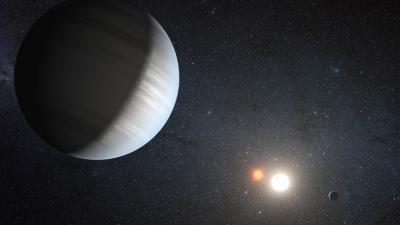
Kepler Astronomers Find First Planetary System Around a Binary Star
NASA’s Kepler mission has found the first multi-planet solar system orbiting a binary star, characterized in large part by University of Texas at Austin astronomers using two telescopes at the university’s McDonald Observatory in West Texas. The finding, which proves that whole planetary systems can form in a disk around a binary star, is published…
-
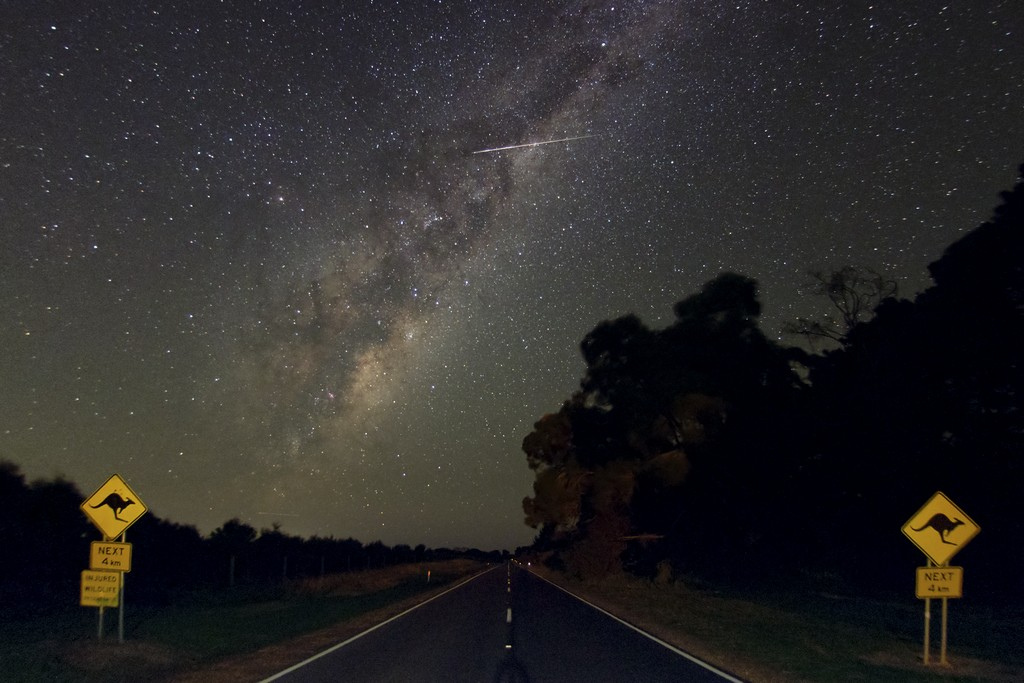
Did life’s building blocks crash land?
In 1969, on September 28, the skies near Murchison, Victoria (not to be confused with Murchison, Western Australia) were illuminated by a dramatic sight. A spectacular fireball blazed its way through Earth’s atmosphere, its outer layers heated to extreme temperatures by its speed. Residents of the town reported seeing the fireball split into three pieces…
-
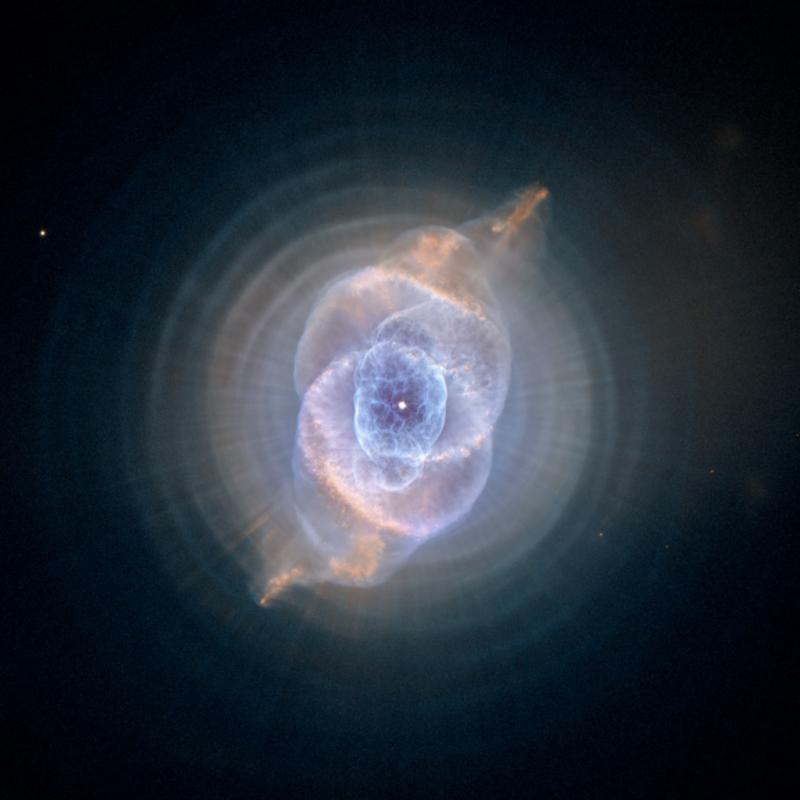
The smoking guns of dying stars
The ancient Greeks once believed that the heavens were immutable. A vast starry vista, eternally unchanging above our heads. But we now know this to be untrue in the slightest. A lot has changed since then, however, and over the past few hundred years, astronomers have unfurled ever increasing knowledge of the lives of stars. Look…
-
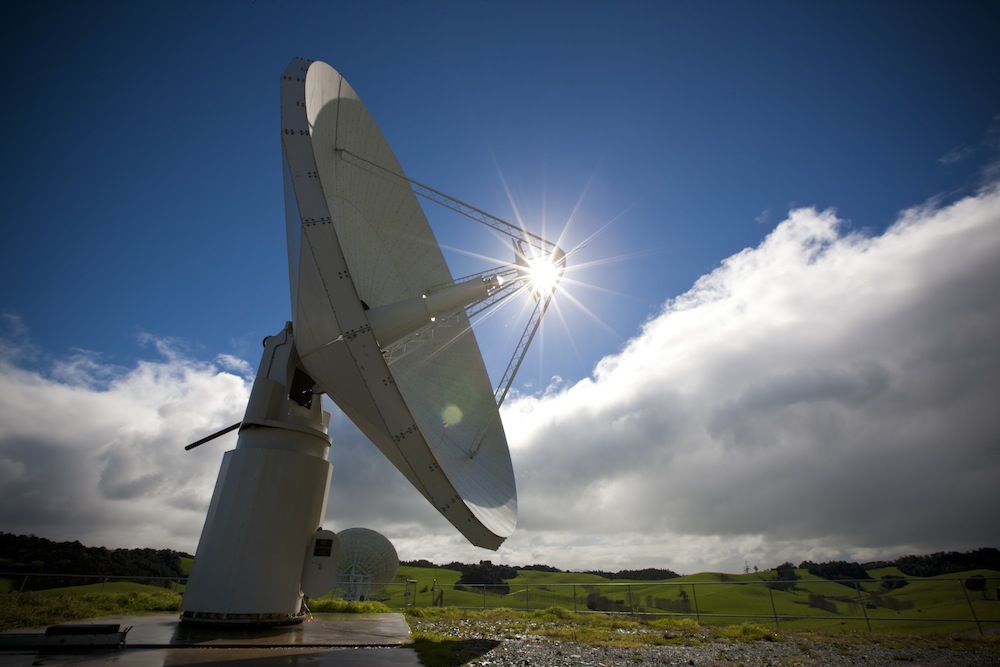
Radio quiet, please!
Originally conceived over 20 years ago, there’s a project being undertaken by scientists and engineers across the whole world to help us all better understand the mysteries of the galaxy and the very beginnings of the Universe. It’s estimated to be completed by around 2024,costing $1.85 billion AUS (€1.5 billion). Once completed, it’s set to…